Rearden Steel ยท Research & Ideas

Concepts in the Book

Ideas and concepts from The Fall of Western Civilization: Towards a General Theory of Civilizational Development.

These posts explore ideas developed in The Fall of Western Civilization. Read the concepts below, or find the book on Amazon.

๐—ช๐—ต๐˜† ๐—ฑ๐—ผ ๐—ฐ๐—ถ๐˜ƒ๐—ถ๐—น๐—ถ๐˜‡๐—ฎ๐˜๐—ถ๐—ผ๐—ป๐˜€ ๐—ฟ๐—ถ๐˜€๐—ฒ - ๐—ฎ๐—ป๐—ฑ ๐˜„๐—ต๐˜† ๐—ฑ๐—ผ ๐˜๐—ต๐—ฒ๐˜† ๐—ฒ๐˜ƒ๐—ฒ๐—ป๐˜๐˜‚๐—ฎ๐—น๐—น๐˜† ๐—ฑ๐—ฒ๐—ฐ๐—น๐—ถ๐—ป๐—ฒ?

The history of civilization is filled with societies that rise from relatively modest beginnings to extraordinary levels of wealth, power and cultural achievement; and then enter periods of stagnation and decline.

But is this simply the result of particular historical circumstances?

Or is there a recurring pattern behind the rise and fall of civilizations?

The Fall of Western Civilization examines this question through a comparative study of eight major historical empires โ€” from Persia and Han China to the Mongols, the British and Rome.

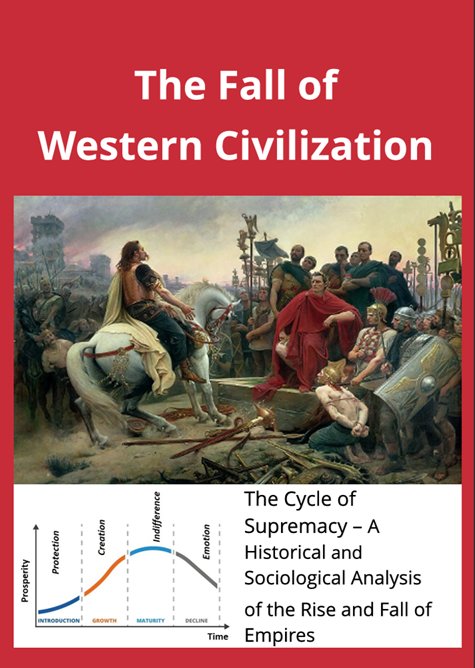
At the centre of the book is a four-phase model:

PROTECTION โ†’ ACHIEVEMENT โ†’ INDIFFERENCE โ†’ EMOTION

The book argues that the culture of a civilization changes as the conditions for wealth creation change.

โ€œIt has been shown that empires follow a four-stage process, where the culture of the civilization changes primarily due to the outside and inside forces of wealth creation.โ€

โ€” The Fall of Western Civilization, p. 400

The book then asks a more difficult question: can this historical pattern tell us something about Western Civilization itself?

Read more:

https://reardensteel.eu/Books/Fall%20of%20the%20West/Fall_Landing.html

#TheFallOfWesternCivilization #Values #Culture #Civilization #History #Sociology
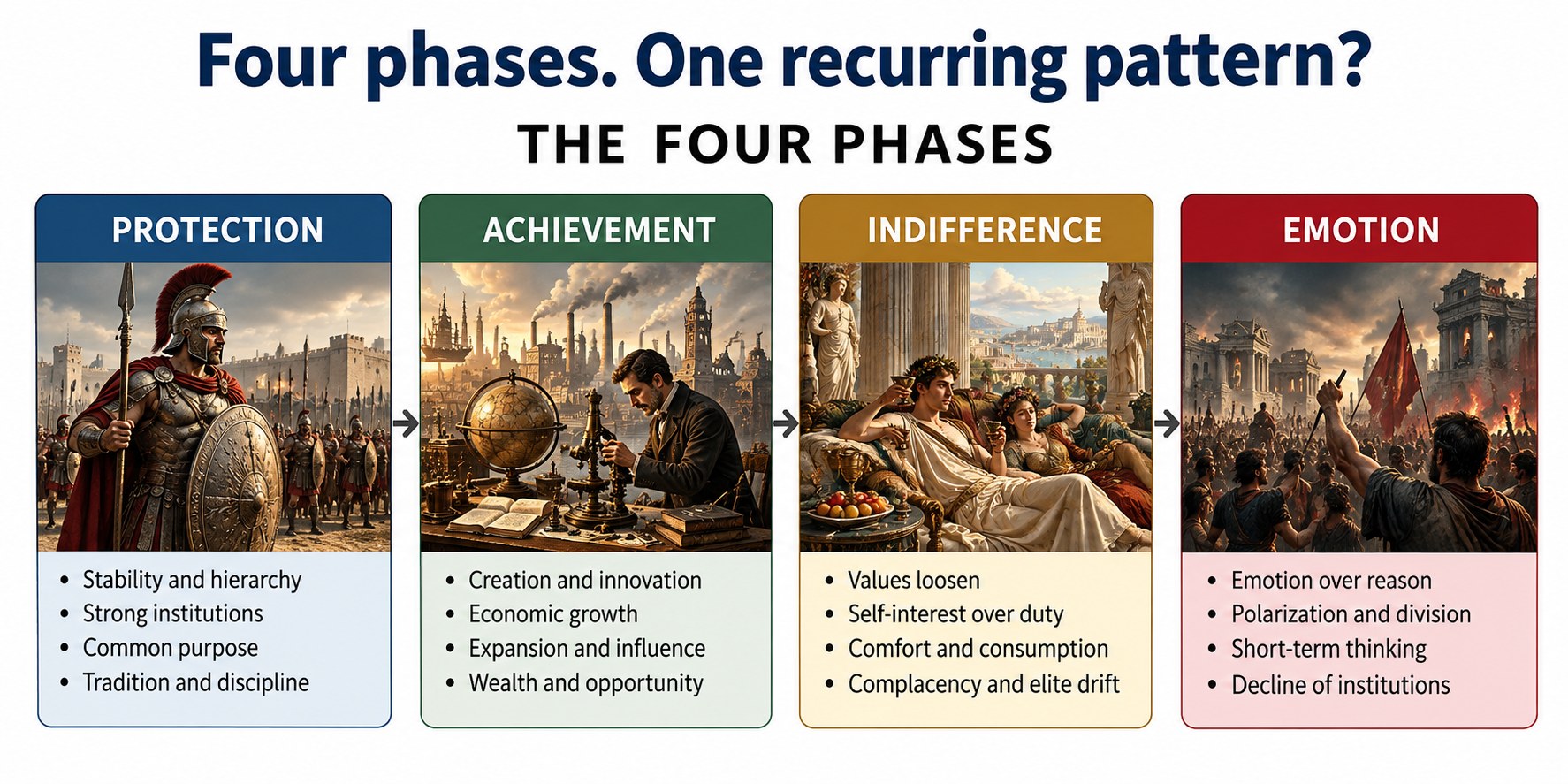
๐—™๐—ผ๐˜‚๐—ฟ ๐—ฝ๐—ต๐—ฎ๐˜€๐—ฒ๐˜€. ๐—ข๐—ป๐—ฒ ๐—ฟ๐—ฒ๐—ฐ๐˜‚๐—ฟ๐—ฟ๐—ถ๐—ป๐—ด ๐—ฝ๐—ฎ๐˜๐˜๐—ฒ๐—ฟ๐—ป?

What if the rise and decline of an empire can be understood as a sequence of cultural phases?

The model proposed in The Fall of Western Civilization consists of four phases:

PROTECTION

A civilization establishes itself. Stability, hierarchy and traditions help protect the society while its resources are developed.

ACHIEVEMENT / CREATION

The emphasis shifts toward creation, innovation, cooperation and the productive use of resources.

INDIFFERENCE

Success makes the original drive for creation less necessary. Established wealth can begin to feel automatic, while older values lose their force.

EMOTION

The focus shifts further away from creation and toward emotion, enjoyment and subjective forms of value.

The book puts the transition this way:

โ€œIn the beginning the civilization needs to establish itself, and this gives a phase of protection, then comes a phase of creation or creativity, then the drive for creativity ceases and laissez faire attitude towards goals and values sets in, and lastly a phase of decadence where emotion takes over as the only value in various disguises.โ€

โ€” The Fall of Western Civilization, p. 111

The interesting question is whether this pattern can actually be observed in history...

Read more:

https://reardensteel.eu/Books/Fall%20of%20the%20West/Fall_Landing.html

#TheFallOfWesternCivilization #Values #Culture #Civilization #History #Sociology
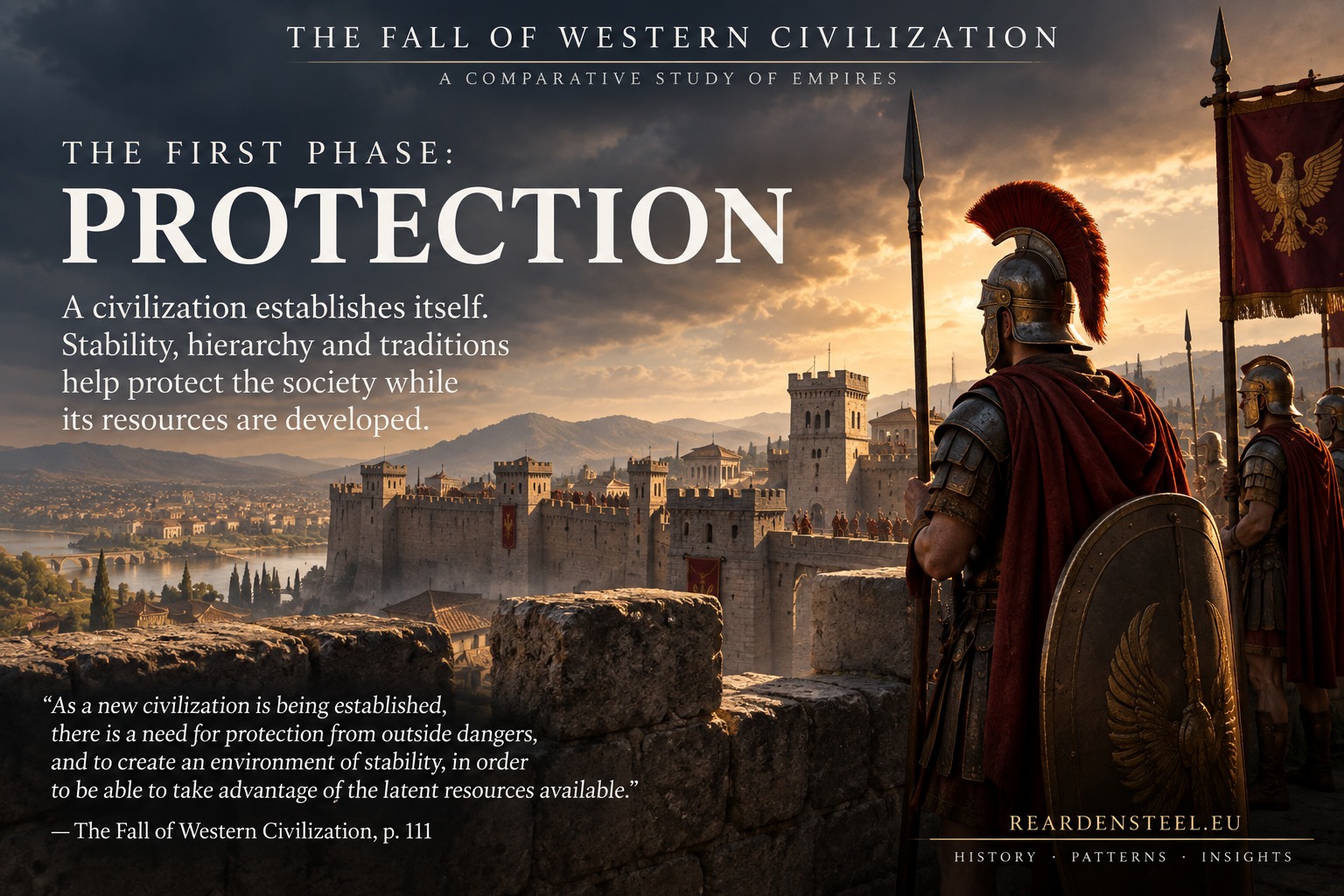
๐—ง๐—ต๐—ฒ ๐—ณ๐—ถ๐—ฟ๐˜€๐˜ ๐—ฝ๐—ต๐—ฎ๐˜€๐—ฒ: ๐—ฃ๐—ฟ๐—ผ๐˜๐—ฒ๐—ฐ๐˜๐—ถ๐—ผ๐—ป

Before a civilization can create great wealth, it has to survive.

The first phase in the model is therefore PROTECTION.

A new civilization faces external dangers and internal uncertainty. Stability matters. Hierarchy matters. Traditions matter because they preserve ways of organising society that have already proved useful.

The purpose is not simply to resist change forever. It is to create the conditions in which a society can develop its resources and become secure enough to move into the next phase.

The book describes it this way:

โ€œAs a new civilization is being established, there is a need for protection from outside dangers, and to create an environment of stability, in order to be able to take advantage of the latent resources available.โ€

โ€” The Fall of Western Civilization, p. 111

The important point is that the values of a society are not necessarily static.

What is useful when survival and security are the central problems may not be what is useful when the central challenge becomes innovation and wealth creation.

That transition is where the second phase begins.

Read more:

https://reardensteel.eu/Books/Fall%20of%20the%20West/Fall_Landing.html

#TheFallOfWesternCivilization #Values #Culture #Civilization #History #Sociology
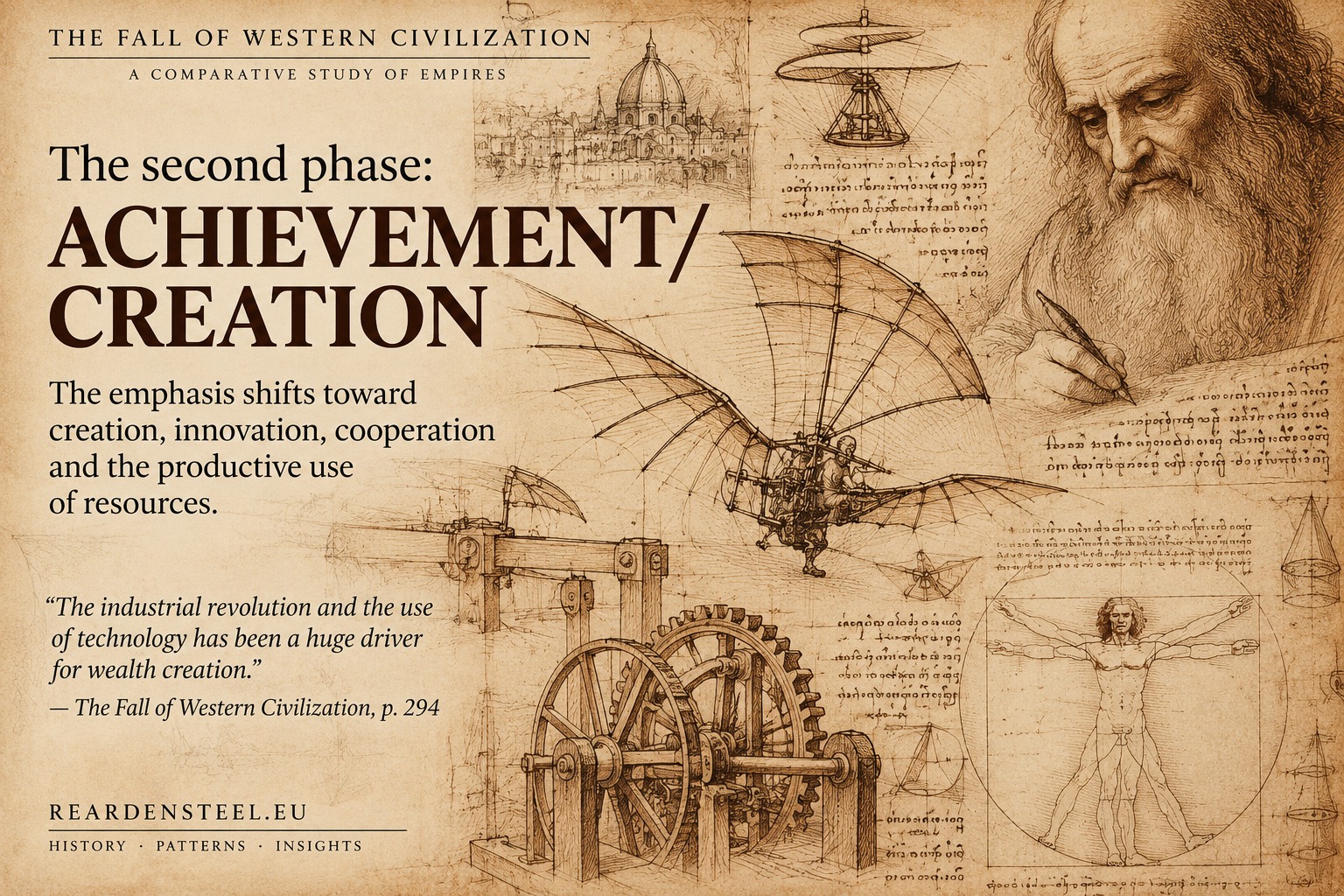
๐—ง๐—ต๐—ฒ ๐˜€๐—ฒ๐—ฐ๐—ผ๐—ป๐—ฑ ๐—ฝ๐—ต๐—ฎ๐˜€๐—ฒ: ๐—”๐—ฐ๐—ต๐—ถ๐—ฒ๐˜ƒ๐—ฒ๐—บ๐—ฒ๐—ป๐˜/๐—–๐—ฟ๐—ฒ๐—ฎ๐˜๐—ถ๐—ผ๐—ป

Once a civilization is secure, something changes.

Protection is no longer the only priority. The emphasis moves toward creation: using resources, experimenting, cooperating, innovating and producing more than before.

This is the phase described as ACHIEVEMENT, which in the book itself, is called โ€œCreationโ€.

It is the phase in which societies build infrastructure, develop technology, expand trade and discover new ways of turning resources into wealth.

The book puts the technological engine of the modern West very directly:

โ€œThe industrial revolution and the use of technology has been a huge driver for wealth creation.โ€

โ€” The Fall of Western Civilization, p. 294

The broader argument is that achievement is not simply about individual ambition.

It is about a culture that rewards people for creating something of value; whether through science, technology, commerce, organisation or productive work.

But success creates a new problem.

What happens when a society becomes so prosperous that the processes which created its prosperity begin to look automatic?

That is where the third phase begins.

Read more:

https://reardensteel.eu/Books/Fall%20of%20the%20West/Fall_Landing.html

#TheFallOfWesternCivilization #Values #Culture #Civilization #History #Sociology
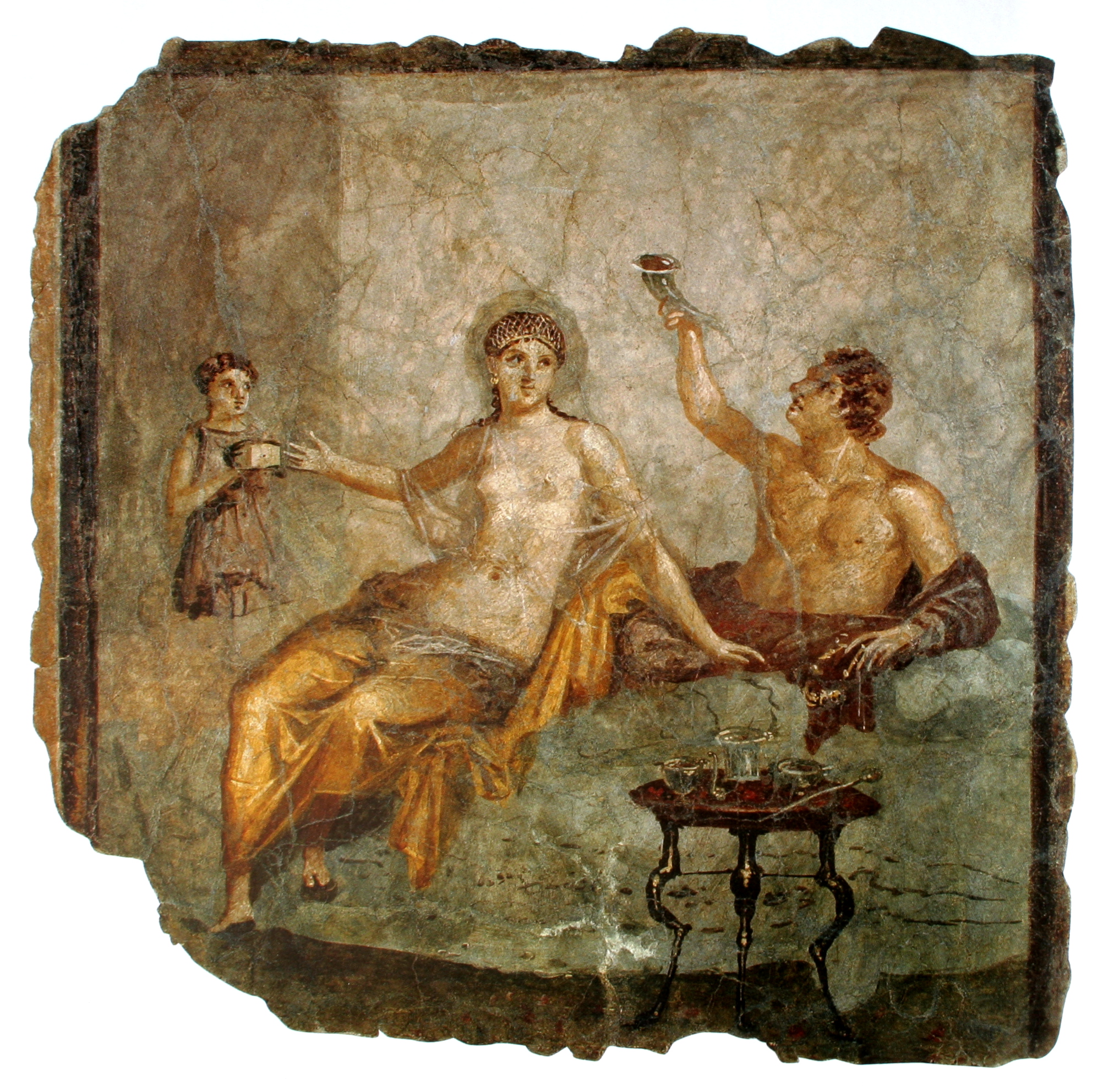
๐—ง๐—ต๐—ฒ ๐˜๐—ต๐—ถ๐—ฟ๐—ฑ ๐—ฝ๐—ต๐—ฎ๐˜€๐—ฒ: ๐—œ๐—ป๐—ฑ๐—ถ๐—ณ๐—ณ๐—ฒ๐—ฟ๐—ฒ๐—ป๐—ฐ๐—ฒ

What happens when success becomes normal?

The third phase in the 4 phases model is INDIFFERENCE.

The central idea is not simply that people become lazy. It is that the original need for creation begins to disappear from everyday life.

If wealth creation has become highly organised, automated or simply taken for granted, the values that drove the earlier achievement phase can lose their urgency.

The book describes the transition starkly:

โ€œNow the creation phase has automated or seems to have automated wealth creation. So creation does not matter, and old traditions also do not matter.โ€

โ€” The Fall of Western Civilization, p. 111

The result, according to the analysis in the book, is a society in which values become increasingly diffuse. One aspect of this phase, is what is known as decadence, especially connected to the Roman Empire.

The question is therefore not merely whether a civilization is wealthy.

It is whether the culture still understands where that wealth came from - and whether it still values the activities that create it.

Historically, the book tests this idea against several very different empires.

The final phase takes the argument one step further.

Read more:

https://reardensteel.eu/Books/Fall%20of%20the%20West/Fall_Landing.html

#TheFallOfWesternCivilization #Values #Culture #Civilization #History #Sociology
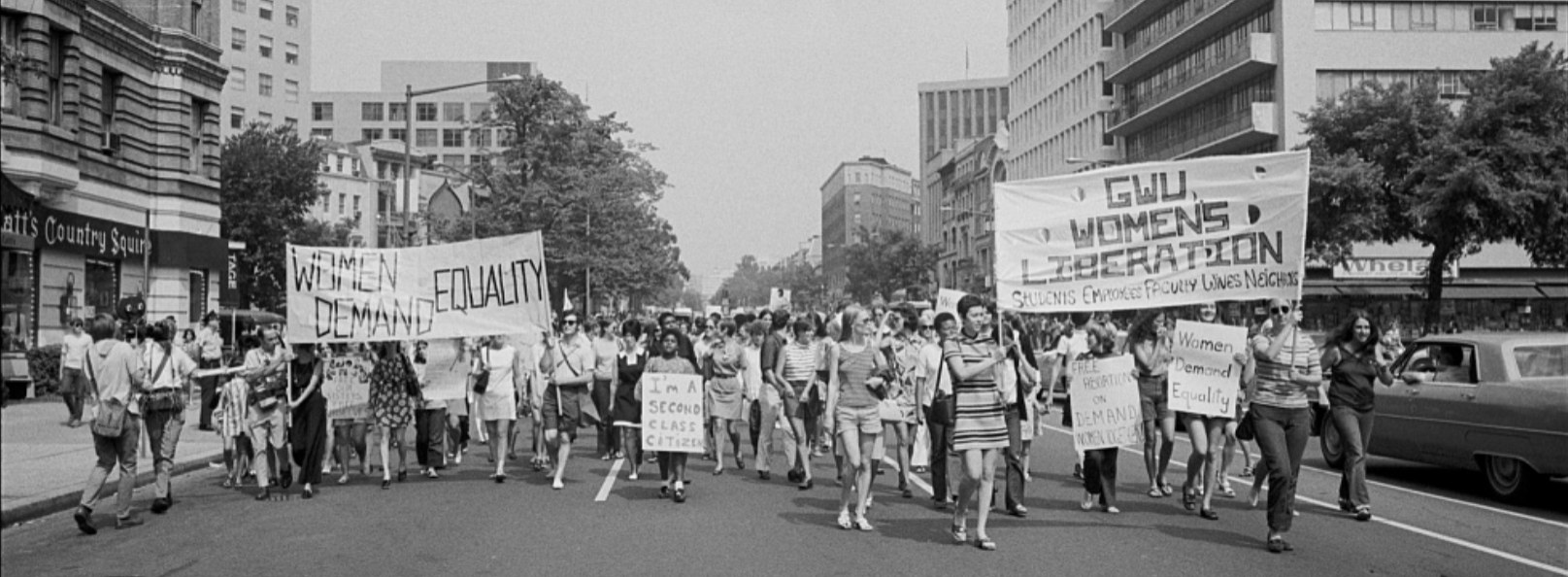
๐—ง๐—ต๐—ฒ ๐—ณ๐—ผ๐˜‚๐—ฟ๐˜๐—ต ๐—ฝ๐—ต๐—ฎ๐˜€๐—ฒ: ๐—˜๐—บ๐—ผ๐˜๐—ถ๐—ผ๐—ป

The fourth phase is EMOTION.

This is not simply another form of decadence or luxury. It describes a deeper change in what a society considers important.

When material prosperity becomes highly automated, the values that originally drove creation can be pushed into the background.

The focus shifts toward personal fulfilment, enjoyment and optimizing positive emotions.

The book describes the transition as follows:

โ€œThe prosperity of society becomes so automated, that the values driving creation are entirely pushed out.โ€

โ€” The Fall of Western Civilization, p. 111

The book therefore asks a difficult historical question:

Can a civilization maintain its prosperity when the culture that created that prosperity is no longer central?

The book does not base this argument on a single historical example. It compares the model with eight different empires and then applies the same framework to Western Civilization.

That makes the real question less about any one political event; and more about the relationship between culture, values and the creation of wealth over long periods of time.

Read more:

https://reardensteel.eu/Books/Fall%20of%20the%20West/Fall_Landing.html

#TheFallOfWesternCivilization #Values #Culture #Civilization #History #Sociology
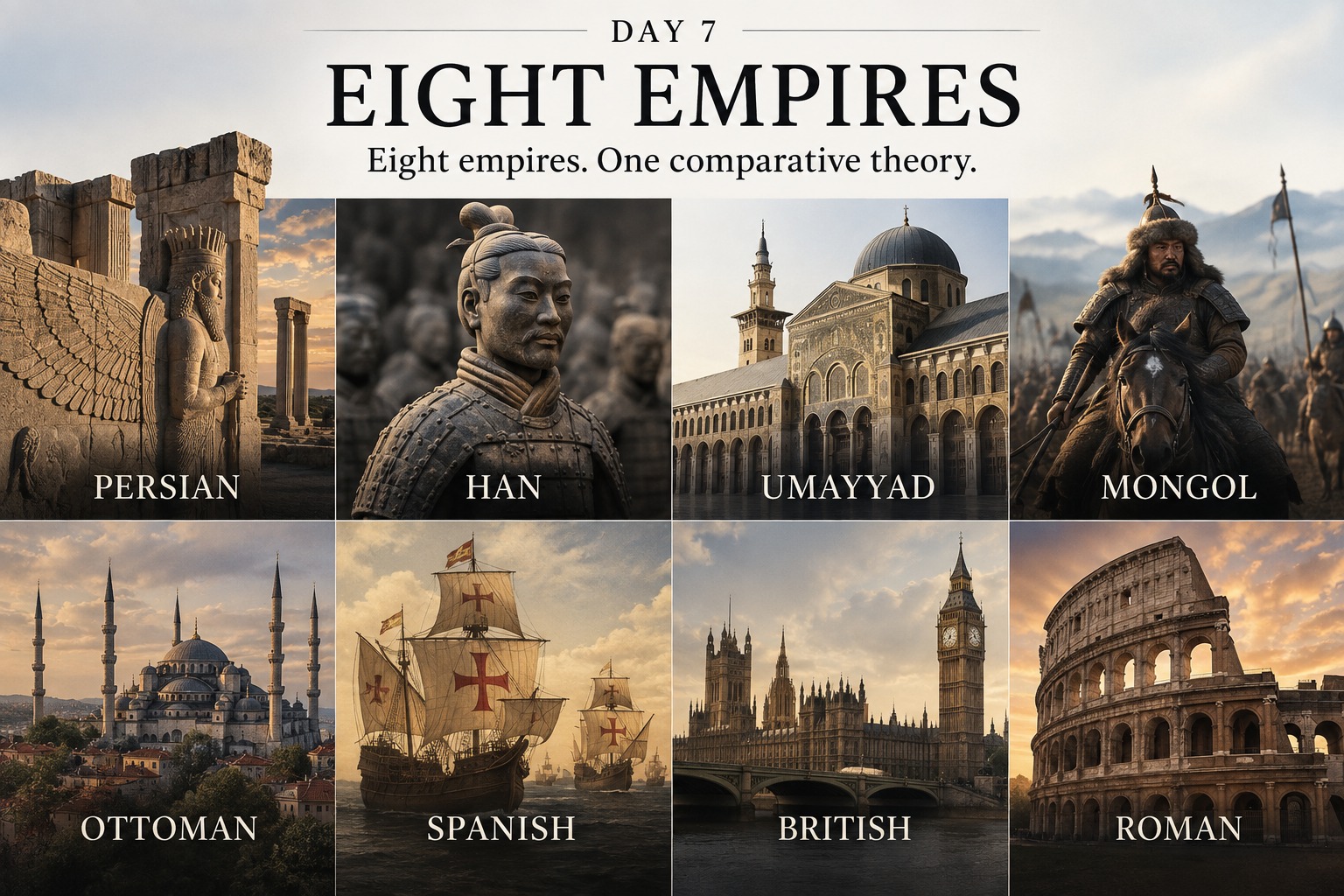
๐—˜๐—ถ๐—ด๐—ต๐˜ ๐—ฒ๐—บ๐—ฝ๐—ถ๐—ฟ๐—ฒ๐˜€. ๐—ข๐—ป๐—ฒ ๐—ฐ๐—ผ๐—บ๐—ฝ๐—ฎ๐—ฟ๐—ฎ๐˜๐—ถ๐˜ƒ๐—ฒ ๐˜๐—ต๐—ฒ๐—ผ๐—ฟ๐˜†.

Can one theory explain the rise and decline of very different empires?

The Fall of Western Civilization tests its four-phase model against eight historical cases:

โ€ข Persian Empire

โ€ข Han Dynasty

โ€ข Umayyad Caliphate

โ€ข Mongol Empire

โ€ข Ottoman Empire

โ€ข Spanish Empire

โ€ข British Empire

โ€ข Roman Empire

These societies were separated by geography, religion, language, political structure and centuries of history.

Yet the book argues that the same broad sequence can be observed across them.

โ€œThe 4 phase model has been verified against the rise and fall of 8 empires.โ€

โ€” The Fall of Western Civilization, p. 280

The author also acknowledges that the phases are not perfectly clean or simultaneous. They can overlap, and individual leaders or exceptional events can temporarily change the trajectory.

That is important because the purpose of the comparison is not to claim that every empire follows an identical timetable.

It is to ask whether there is a recurring relationship between cultural values, wealth creation, prosperity and decline.

The next question is perhaps the most relevant one:

What happens when the same model is applied to Western Civilization?

Read more:

https://reardensteel.eu/Books/Fall%20of%20the%20West/Fall_Landing.html

#TheFallOfWesternCivilization #Values #Culture #Civilization #History #Sociology
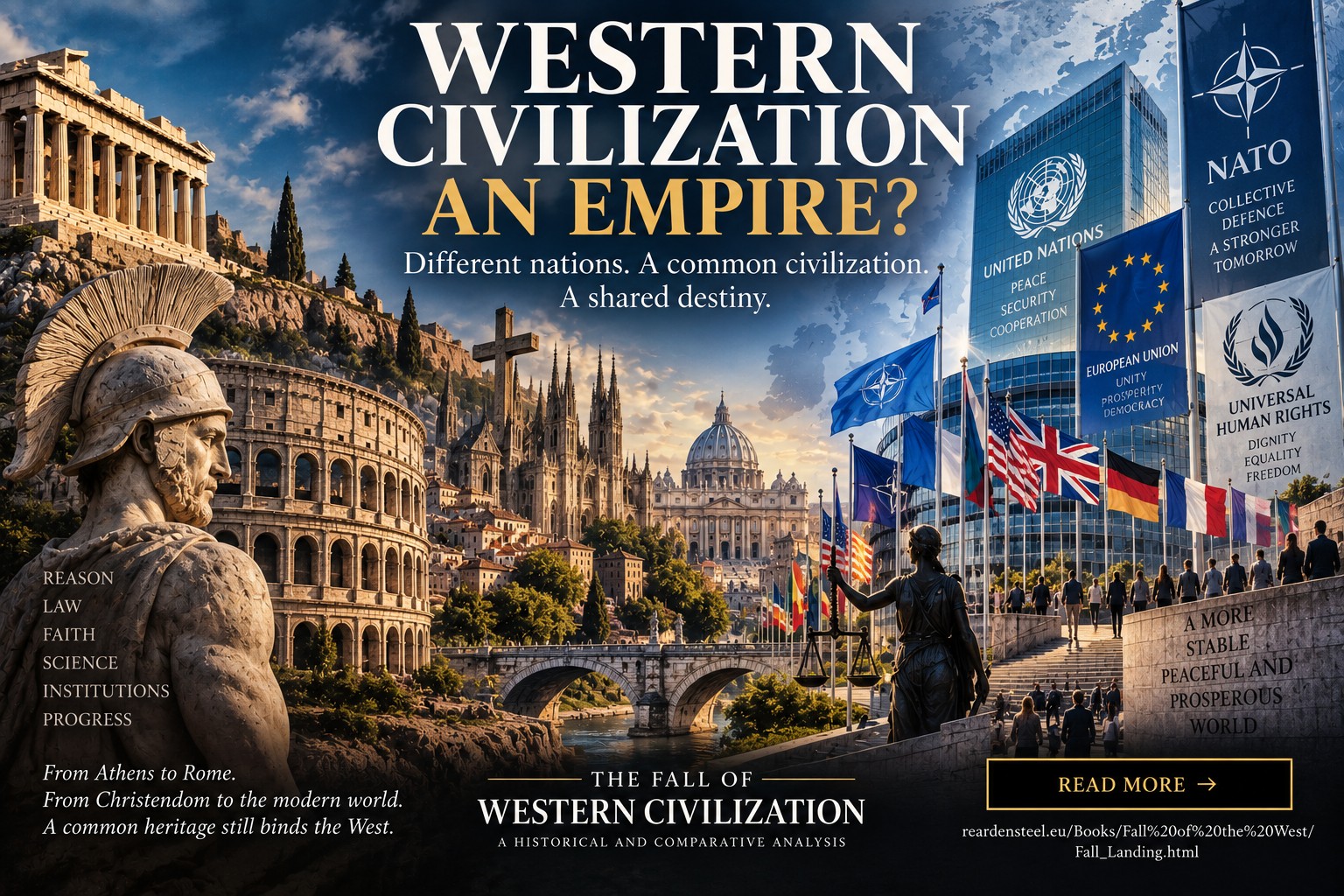
๐—ช๐—ฒ๐˜€๐˜๐—ฒ๐—ฟ๐—ป ๐—–๐—ถ๐˜ƒ๐—ถ๐—น๐—ถ๐˜‡๐—ฎ๐˜๐—ถ๐—ผ๐—ป: ๐—”๐—ป ๐—˜๐—บ๐—ฝ๐—ถ๐—ฟ๐—ฒ?

What if Western Civilization is not simply a collection of separate countries, but can be analysed as an empire?

The Fall of Western Civilization begins its analysis of the modern West with precisely this question.

An empire does not necessarily have to be ruled by a single emperor.

The book defines the relevant unit more broadly: a large geographical area containing different peoples and cultures, connected under a common authority or purpose.

Since industrialization, the societies of the West have increasingly been bound together by common culture, technology, economic systems and international institutions.

NATO, the UN, the EU, G7 and other institutions have created common frameworks for cooperation, security and economic activity.

The common objective is no longer primarily the conquest of territory.

It is security, growth and wealth creation.

The book therefore argues that Western Civilization can be analysed as an empire - not because it has a single ruler, but because its constituent societies have become deeply interconnected around common institutions, values and economic interests. They have all become liberal democracies.

That makes it possible to apply the same historical framework used for Persia, Han China, the Umayyads, the Mongols, the Ottomans, Spain, Britain and Rome.

And that leads to the next question:

Where is the West within the four phases?

Read more:

https://reardensteel.eu/Books/Fall%20of%20the%20West/Fall_Landing.html

#TheFallOfWesternCivilization #Values #Culture #Civilization #History #Sociology
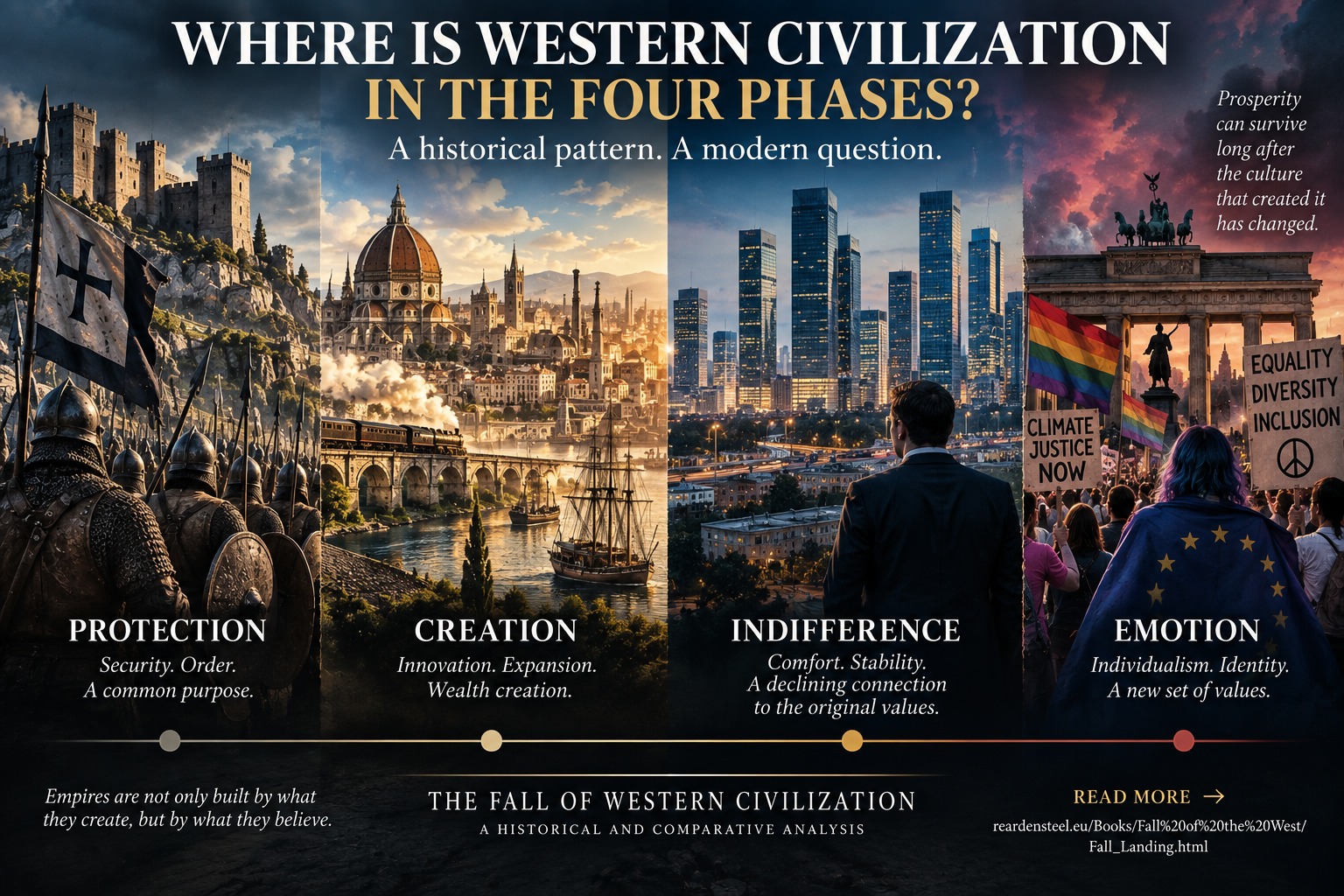
๐—ช๐—ต๐—ฒ๐—ฟ๐—ฒ ๐—ถ๐˜€ ๐—ช๐—ฒ๐˜€๐˜๐—ฒ๐—ฟ๐—ป ๐—–๐—ถ๐˜ƒ๐—ถ๐—น๐—ถ๐˜‡๐—ฎ๐˜๐—ถ๐—ผ๐—ป ๐—ถ๐—ป ๐˜๐—ต๐—ฒ ๐—ณ๐—ผ๐˜‚๐—ฟ ๐—ฝ๐—ต๐—ฎ๐˜€๐—ฒ๐˜€?

After examining eight historical empires, The Fall of Western Civilization applies the same four-phase framework to the modern West.

The conclusion is deliberately more nuanced than simply saying that Western Civilization has entered its final phase.

The book argues that the West is in the Emotion phase, or somewhere between Indifference and Emotion.

Why?

Because the relationship between cultural development and wealth creation has changed.

Technological progress has made wealth creation increasingly automated and productive capacity increasingly independent of the values that originally drove its development.

The four phases are therefore not simply stages of economic growth.

They describe a change in the culture surrounding wealth creation:

PROTECTION โ†’ CREATION โ†’ INDIFFERENCE โ†’ EMOTION

The book makes an important qualification.

A civilization can remain materially prosperous for a considerable period after its culture has entered the later phases.

In the West, technological development may therefore continue to generate wealth for decades even while the cultural foundations of that wealth are changing.

The historical question is consequently not:

โ€œWhen will the West collapse?โ€

It is:

โ€œWhat happens when the culture that created prosperity is no longer the culture that dominates society?โ€

Read more:

https://reardensteel.eu/Books/Fall%20of%20the%20West/Fall_Landing.html

#TheFallOfWesternCivilization #Values #Culture #Civilization #History #Sociology
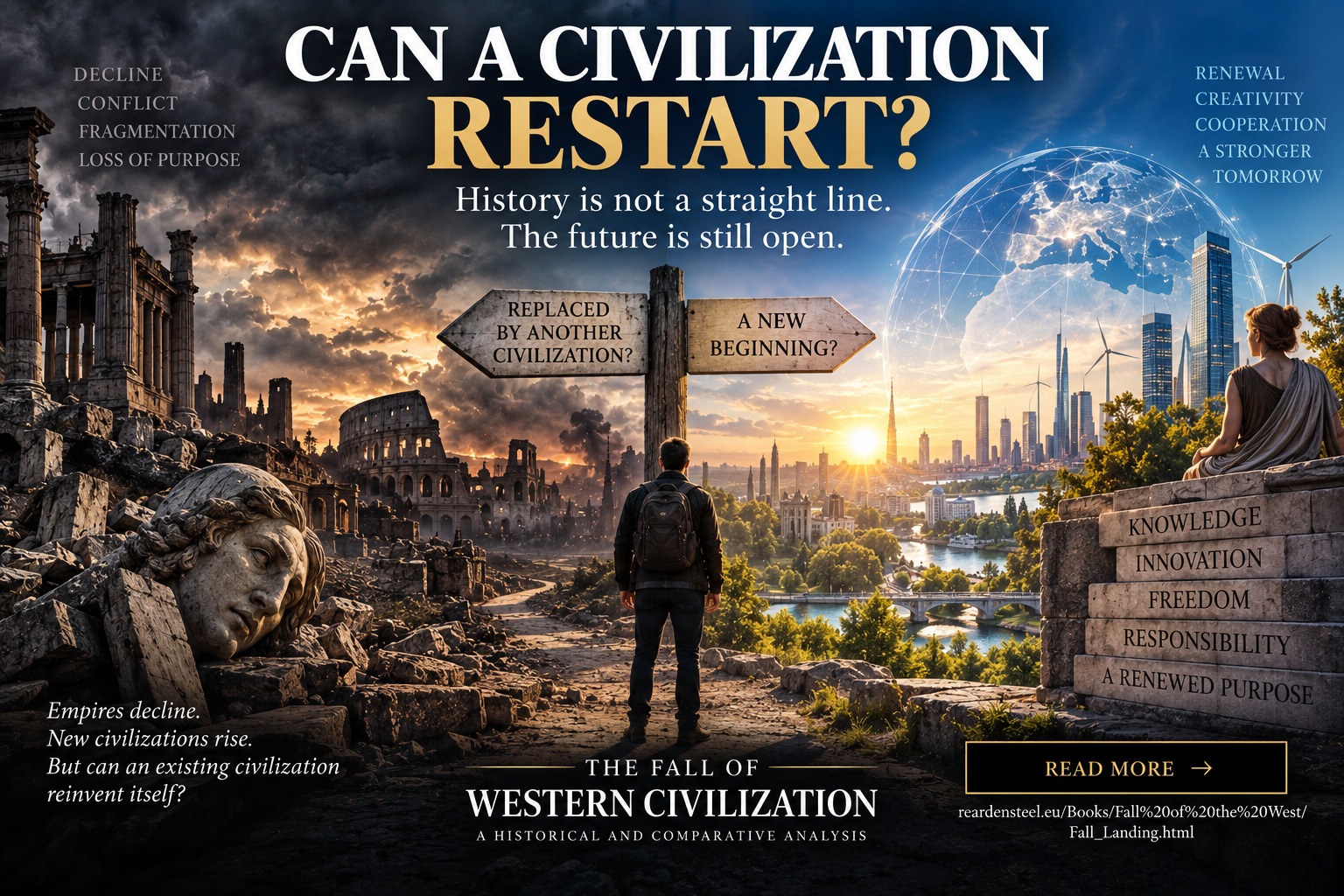
๐—–๐—ฎ๐—ป ๐—ฎ ๐—–๐—ถ๐˜ƒ๐—ถ๐—น๐—ถ๐˜‡๐—ฎ๐˜๐—ถ๐—ผ๐—ป ๐—ฅ๐—ฒ๐˜€๐˜๐—ฎ๐—ฟ๐˜?

The historical pattern does not necessarily end with collapse.

The Fall of Western Civilization makes an unusual argument about what might happen next.

Historically, an empire in decline is often replaced by another civilization with a stronger culture.

But the modern West possesses something earlier civilizations did not have to the same degree:

technology, accumulated knowledge and unprecedented global connectivity.

The book therefore asks whether Western Civilization could take a different path.

Instead of being replaced by another civilization, could it move into a new phase of protection and creation?

That would require more than economic reform.

It would require a change in the cultural values surrounding wealth creation, knowledge, leadership and purpose.

The book does not suggest simply returning to an earlier historical culture.

A new phase would have to emerge from the circumstances of the modern world.

The possibility is therefore not a return to the past.

It is whether a civilization can reinvent its culture before historical circumstances force the change upon it.

The question remains open.

Read more:

https://reardensteel.eu/Books/Fall%20of%20the%20West/Fall_Landing.html

#TheFallOfWesternCivilization #Values #Culture #Civilization #History #Sociology
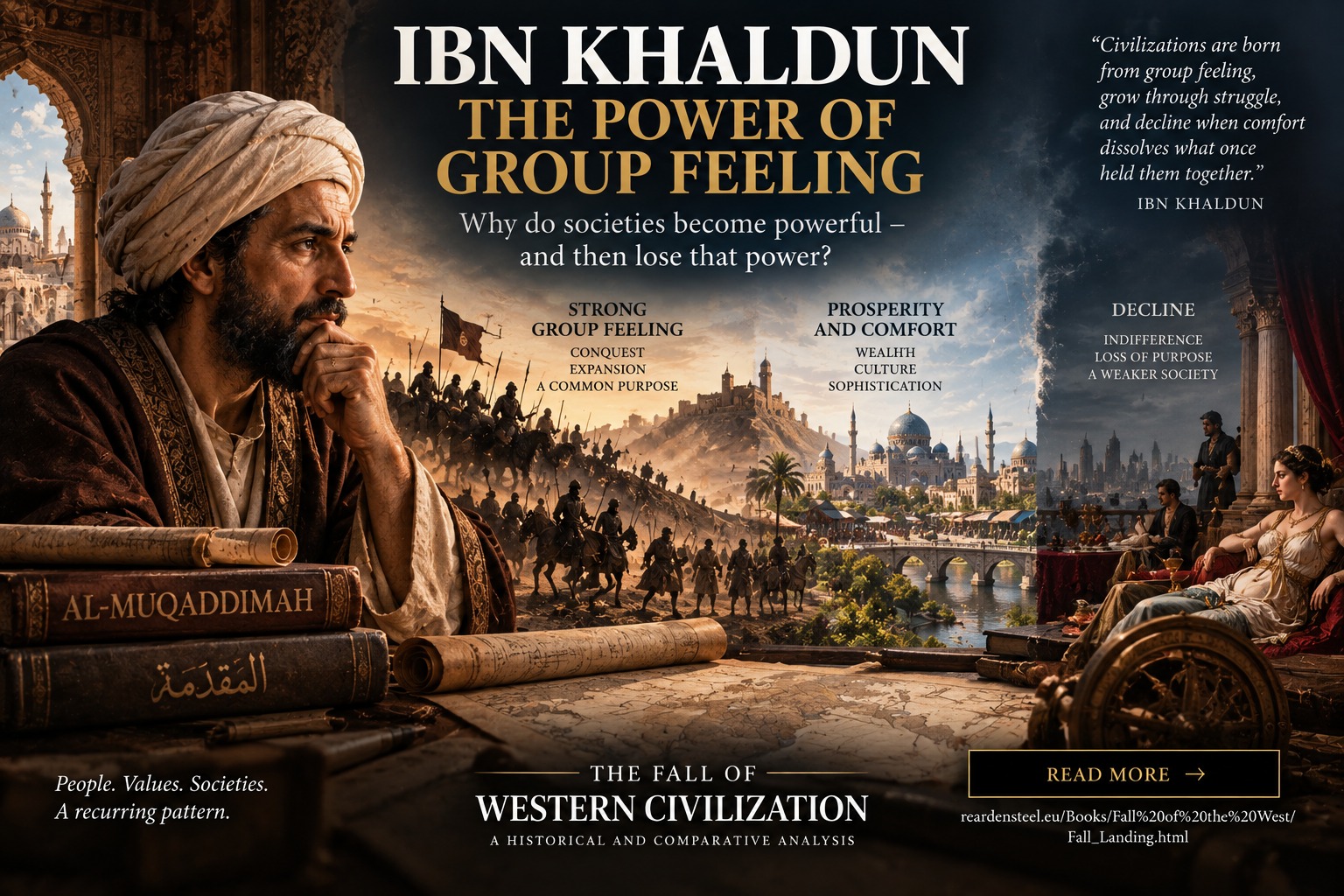
๐—œ๐—ฏ๐—ป ๐—ž๐—ต๐—ฎ๐—น๐—ฑ๐˜‚๐—ป: ๐—ง๐—ต๐—ฒ ๐—ฃ๐—ผ๐˜„๐—ฒ๐—ฟ ๐—ผ๐—ณ ๐—š๐—ฟ๐—ผ๐˜‚๐—ฝ ๐—™๐—ฒ๐—ฒ๐—น๐—ถ๐—ป๐—ด

More than 600 years ago, Ibn Khaldun asked a question that remains remarkably relevant:

Why do some societies become powerful - and then lose that power?

In The Muqaddimah, Khaldun developed the concept of Asabiyyah, often translated as group feeling or social cohesion.

His argument was that strong group feeling helps a society establish itself and conquer weaker societies.

But prosperity or the process of civilization changes the culture.

As the victorious society becomes accustomed to wealth and comfort, the qualities that originally made it successful can weaken.

The people who inherit prosperity did not necessarily experience the adversity that created it.

The result is a gradual weakening of the original group feeling.

The Fall of Western Civilization draws a direct connection between this idea and its own four-phase model.

The book interprets the values underlying Asabiyyah as a central part of the cultural mechanism behind the rise and decline of empires.

The terminology is different.

The underlying question is remarkably similar:

What happens to a society when the conditions that created its strength disappear?

Read more:

https://reardensteel.eu/Books/Fall%20of%20the%20West/Fall_Landing.html

#TheFallOfWesternCivilization #Values #Culture #Civilization #History #Sociology
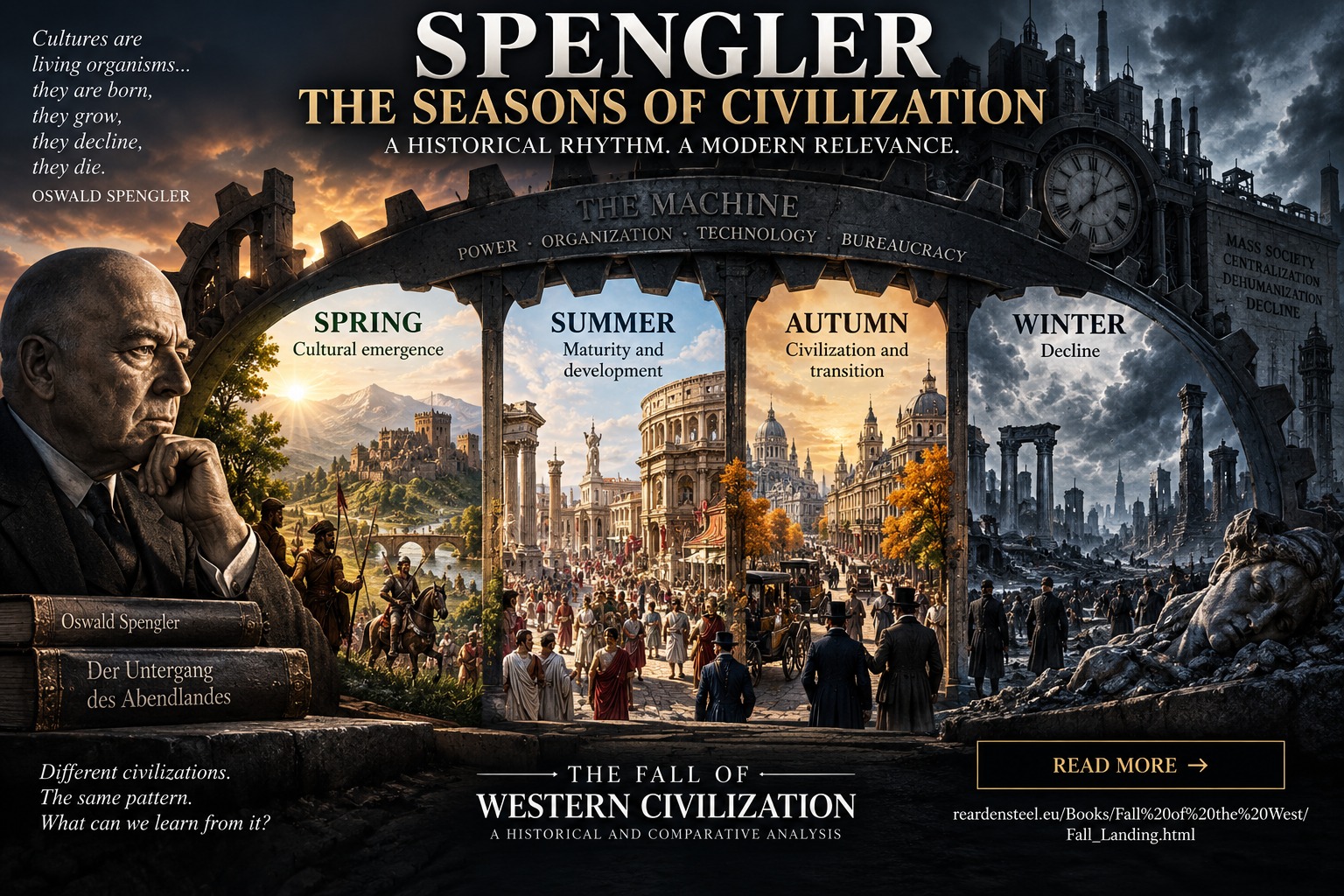
๐—ฆ๐—ฝ๐—ฒ๐—ป๐—ด๐—น๐—ฒ๐—ฟ: ๐—ง๐—ต๐—ฒ ๐—ฆ๐—ฒ๐—ฎ๐˜€๐—ผ๐—ป๐˜€ ๐—ผ๐—ณ ๐—–๐—ถ๐˜ƒ๐—ถ๐—น๐—ถ๐˜‡๐—ฎ๐˜๐—ถ๐—ผ๐—ป

Oswald Spengler's The Decline of the West is one of the most famous attempts to understand the rise and decline of civilizations as a recurring historical process.

Spengler described civilizations through a striking analogy with the seasons:

Spring โ†’ Summer โ†’ Autumn โ†’ Winter

Spring represents cultural emergence.

Summer brings maturity and development.

Autumn marks the transition toward civilization in Spengler's particular terminology.

Winter represents decline.

The Fall of Western Civilization takes this idea seriously; but does not simply reproduce it.

Spengler's model describes the morphology of civilization: the characteristic stages through which cultures develop and mature.

The four-phase model instead focuses on a different question:

What happens to the values that drive wealth creation as prosperity increases?

The two approaches therefore overlap in their interest in recurring patterns, but they diagnose the process differently.

Where Spengler describes the seasons of civilization, the four-phase model focuses on:

PROTECTION โ†’ CREATION โ†’ INDIFFERENCE โ†’ EMOTION

The book's purpose is not simply to repeat Spengler's prediction.

It is to ask whether the mechanism behind cultural change can be made more explicit - and tested against historical empires. I.e. identifying the drivers or root causes of the changes in Spengler's model.

Read more:

https://reardensteel.eu/Books/Fall%20of%20the%20West/Fall_Landing.html

#TheFallOfWesternCivilization #Values #Culture #Civilization #History #Sociology
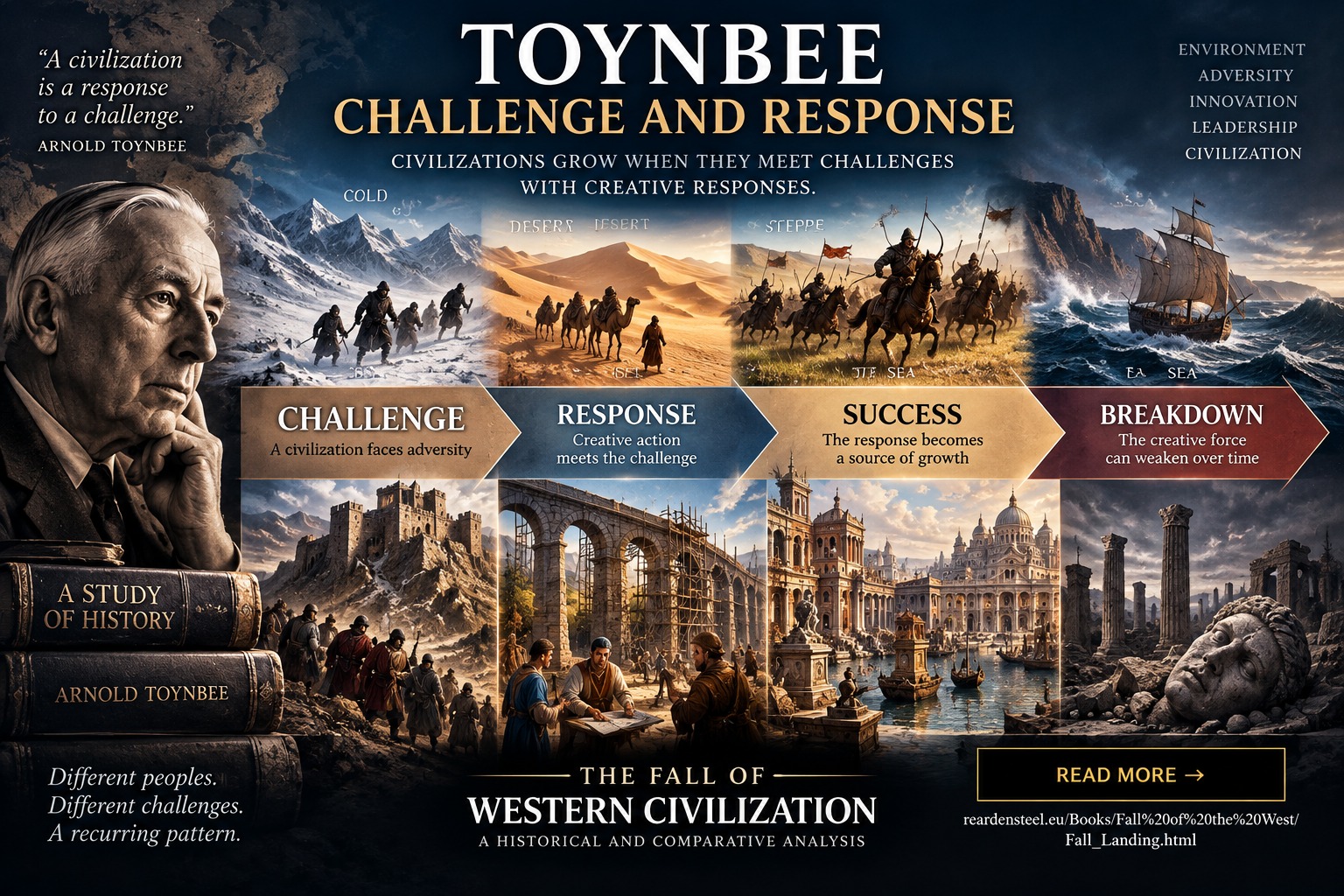
๐—ง๐—ผ๐˜†๐—ป๐—ฏ๐—ฒ๐—ฒ: ๐—–๐—ต๐—ฎ๐—น๐—น๐—ฒ๐—ป๐—ด๐—ฒ ๐—ฎ๐—ป๐—ฑ ๐—ฅ๐—ฒ๐˜€๐—ฝ๐—ผ๐—ป๐˜€๐—ฒ

Arnold Toynbee approached the rise and decline of civilizations from another direction.

His central idea was the relationship between challenge and response.

A civilization encounters a challenge.

A creative response is developed.

That response allows the civilization to grow.

The Fall of Western Civilization sees a strong connection between this idea and the first two phases of its own model.

A challenge creates the need for action.

Action is driven by the need for protection.

Protection creates the conditions for creation.

But Toynbee also describes what happens when the creative force weakens.

The ruling minority that once led the civilization can become a ruling class concerned primarily with maintaining its position.

In the interpretation of the book "The Fall of Western Civilization", this corresponds closely with the transition toward Indifference.

And in Toynbee's later stage of disintegration, the book finds parallels with Emotion and decadence.

The difference is important.

Toynbee describes the historical process through challenge, response, breakdown and disintegration.

The four-phase model attempts to connect those historical developments to a more specific mechanism:

the changing relationship between culture, values and wealth creation.

That is where the three great historians meet.

And where the four-phase theory begins.

Read more:

https://reardensteel.eu/Books/Fall%20of%20the%20West/Fall_Landing.html

#TheFallOfWesternCivilization #Values #Culture #Civilization #History #Sociology
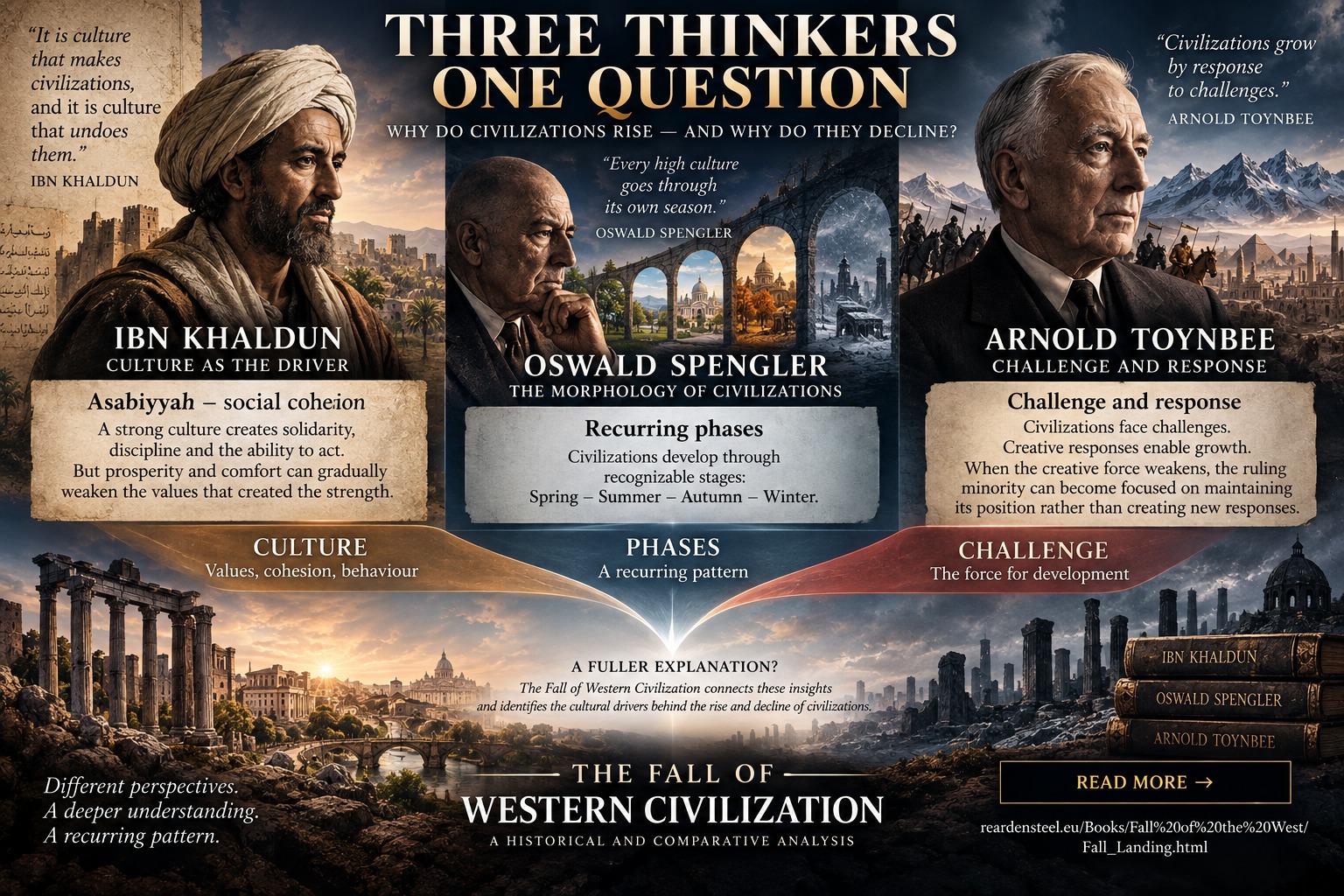
๐—ž๐—ต๐—ฎ๐—น๐—ฑ๐˜‚๐—ป, ๐—ฆ๐—ฝ๐—ฒ๐—ป๐—ด๐—น๐—ฒ๐—ฟ ๐—ฎ๐—ป๐—ฑ ๐—ง๐—ผ๐˜†๐—ป๐—ฏ๐—ฒ๐—ฒ: ๐—ง๐—ต๐—ฟ๐—ฒ๐—ฒ ๐—ฃ๐—ถ๐—ฒ๐—ฐ๐—ฒ๐˜€ ๐—ผ๐—ณ ๐˜๐—ต๐—ฒ ๐—ฃ๐˜‚๐˜‡๐˜‡๐—น๐—ฒ

Three great historians approached the rise and decline of civilizations from different directions.

Ibn Khaldun identified culture as the driver.

His concept of Asabiyyah describes the group feeling and social cohesion that gives a society strength. But Khaldun also observed how prosperity, comfort and changing circumstances gradually alter the values of a society.

The important insight is therefore that culture changes; and that cultural change affects the trajectory of the civilization.

Oswald Spengler introduced the idea of recurring phases.

His civilizations move through a morphology of Spring, Summer, Autumn and Winter.

The importance of Spengler for the four-phase theory is therefore not simply his prediction of decline. It is the idea that civilizations follow recognizable developmental stages.

Arnold Toynbee introduced challenge and response.

A civilization faces a challenge. It develops a creative response. That response enables growth.

The Fall of Western Civilization uses this idea to explain the beginning of the developmental process: external and internal challenges create the need for protection and adaptation. The culture of the civilization is gradually honed by the challenges it has to overcome.

Three different insights therefore come together:

Khaldun โ†’ CULTURE

Spengler โ†’ PHASES

Toynbee โ†’ CHALLENGE AND RESPONSE

The question then becomes:

Can these three insights be connected into a single mechanism explaining both the rise and the decline of civilizations?

Read more:

https://reardensteel.eu/Books/Fall%20of%20the%20West/Fall_Landing.html

#TheFallOfWesternCivilization #Values #Culture #Civilization #History #Sociology
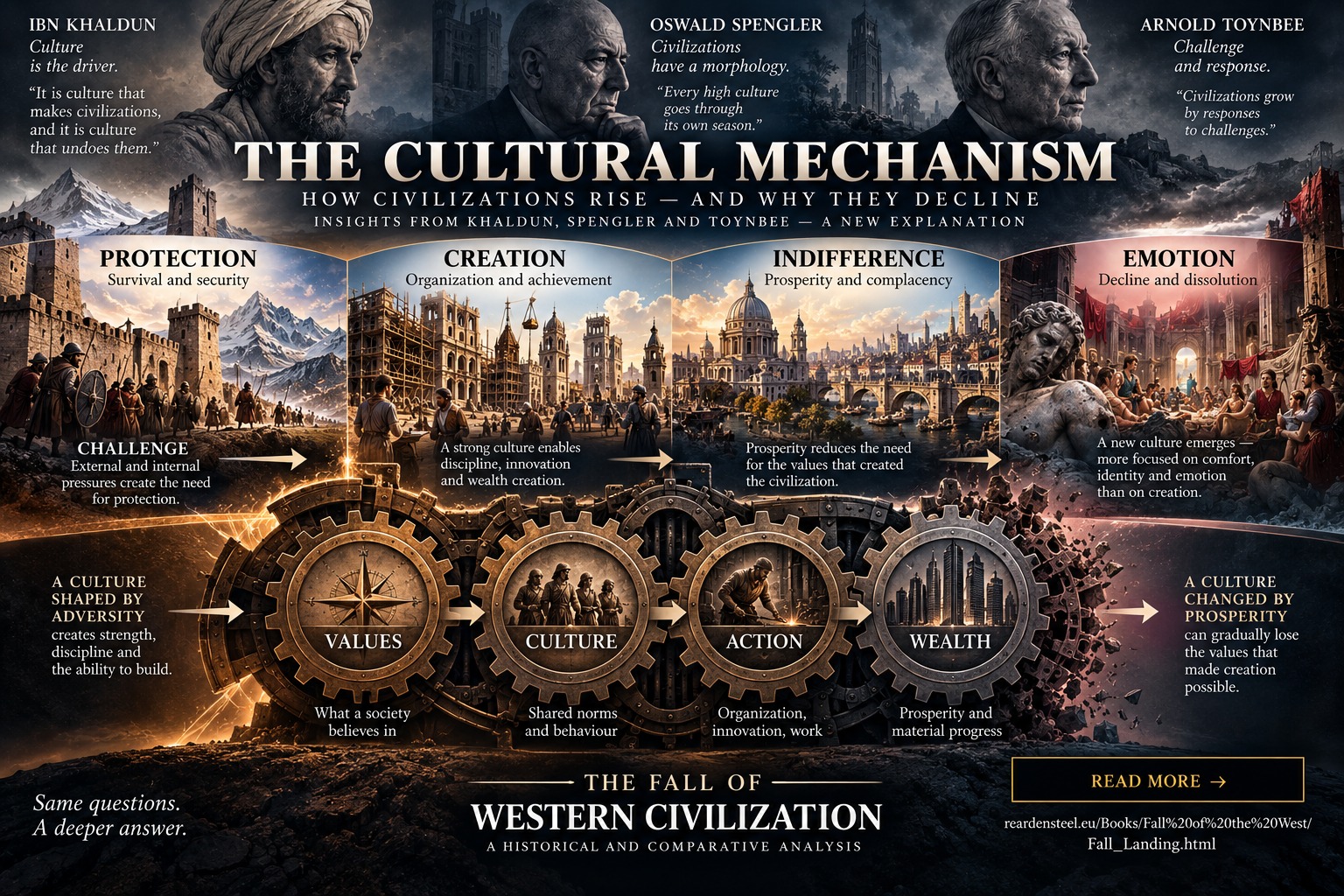
๐—™๐—ฟ๐—ผ๐—บ ๐—–๐˜‚๐—น๐˜๐˜‚๐—ฟ๐—ฒ ๐˜๐—ผ ๐—–๐˜‚๐—น๐˜๐˜‚๐—ฟ๐—ฎ๐—น ๐——๐—ฟ๐—ถ๐˜ƒ๐—ฒ๐—ฟ๐˜€

The Fall of Western Civilization builds on Khaldun, Spengler and Toynbee - but it takes their ideas one step further, and integrates their contributions into a consistent whole; adding the sociological and psychological mechanics of culture, not just culture itself.

Khaldun shows that culture is a driver of the rise and decline of civilizations.

The book asks:

Why does the culture change?

It derives the mechanism from the relationship between values, prosperity and wealth creation.

Spengler shows that civilizations have a morphology; recognizable developmental phases.

The book adopts this insight and asks:

What cultural mechanism produces those phases?

The four phases are:

PROTECTION โ†’ CREATION โ†’ INDIFFERENCE โ†’ EMOTION

Toynbee shows how challenge and response can drive the development of a civilization.

The book uses this to explain the early phases.

A civilization faces challenges.

Those challenges create the need for protection.

Protection creates the conditions for creation.

Repeated responses to challenges gradually hone the culture toward the values that make successful responses possible.

But then something changes.

Prosperity itself becomes the new environment.

As wealth creation becomes increasingly established and automated, the original challenges and pressures that shaped the culture become less important.

The cultural response to adversity is gradually replaced by a cultural response to prosperity.

This is where the four-phase theory differs from Toynbee's explanation of decline.

The decline mechanism is not simply another failure to respond to an external challenge.

It is the transformation of the culture because the civilization has become prosperous.

The same process that creates the culture of achievement eventually creates the conditions for that culture to change.

Thus:

Toynbee explains the challenge that helps create the culture.

Khaldun identifies culture as the driver.

Spengler identifies the morphology.

The four-phase theory attempts to explain the mechanism connecting them.

That is the central proposition of The Fall of Western Civilization.

Read more:

https://reardensteel.eu/Books/Fall%20of%20the%20West/Fall_Landing.html

#TheFallOfWesternCivilization #Values #Culture #Civilization #History #Sociology
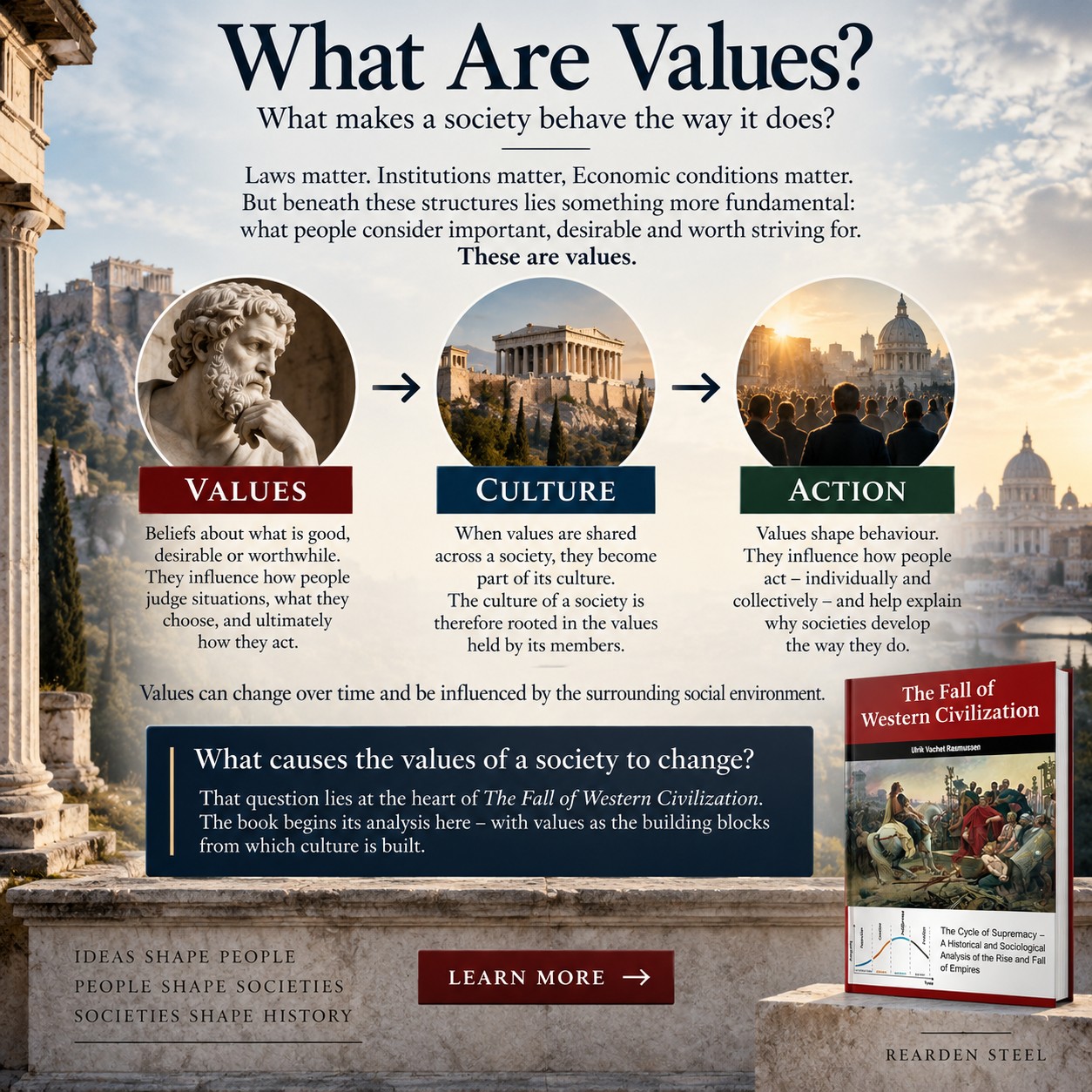
๐—ช๐—ต๐—ฎ๐˜ ๐—”๐—ฟ๐—ฒ ๐—ฉ๐—ฎ๐—น๐˜‚๐—ฒ๐˜€?

What makes a society behave the way it does?

Laws matter. Institutions matter. Economic conditions matter. But beneath these structures lies something more fundamental: what people consider important, desirable and worth striving for.

These are values.

Values are beliefs about what is good, desirable or worthwhile. They influence how people judge situations, what they choose, and ultimately how they act.

When values are shared across a society, they become part of its culture.

VALUES โ†’ CULTURE โ†’ ACTION

The culture of a society is therefore rooted in the values held by its members. Those values can change over time and be influenced by the surrounding social environment.

And this is where the question becomes important for understanding civilizations.

What causes the values of a society to change?

That question lies at the heart of The Fall of Western Civilization.

The book begins its analysis here; with values as the building blocks from which culture is built.

Read more in the book:

https://reardensteel.eu/Books/Fall%20of%20the%20West/Fall_Landing.html

#TheFallOfWesternCivilization #Values #Culture #Civilization #History #Sociology
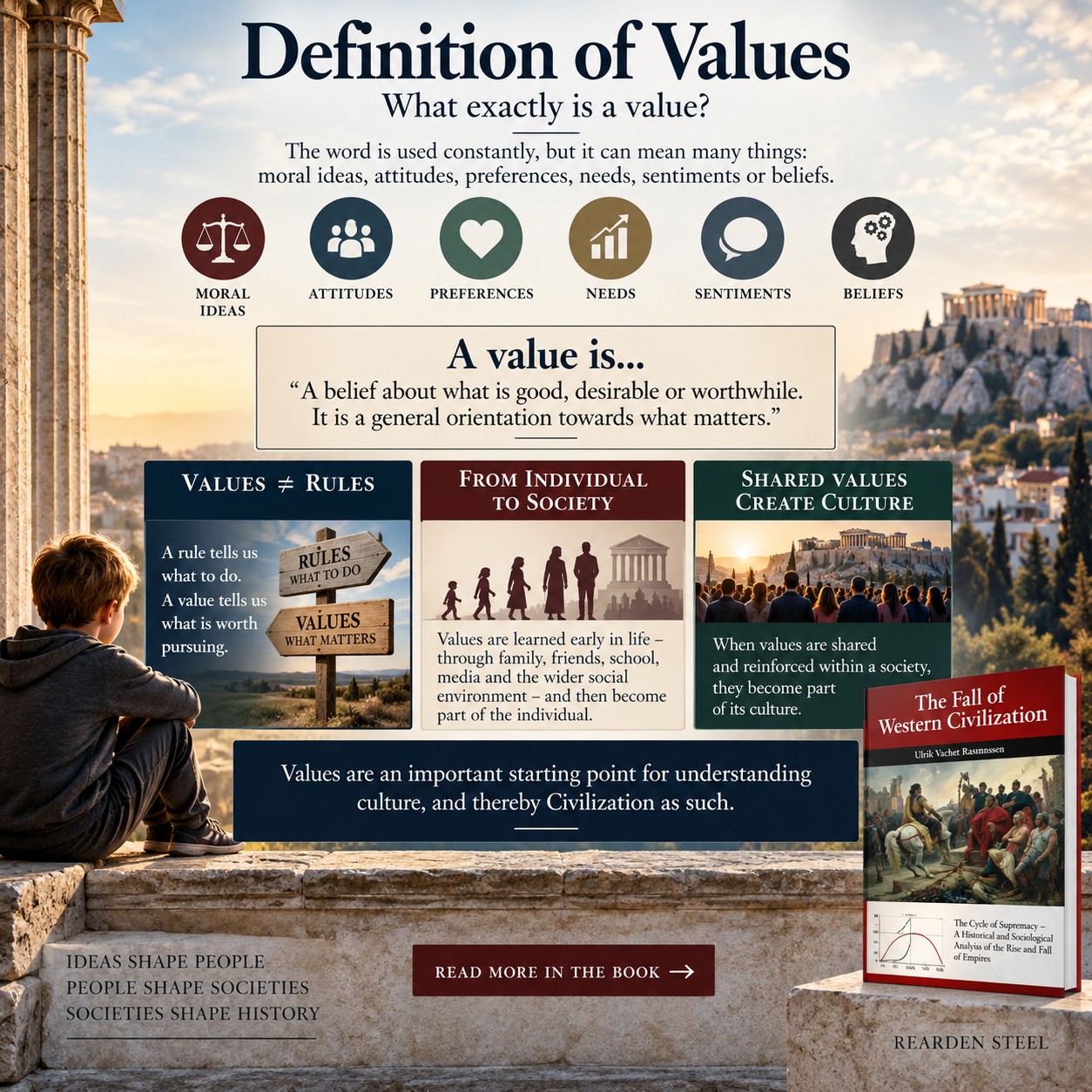
๐——๐—ฒ๐—ณ๐—ถ๐—ป๐—ถ๐˜๐—ถ๐—ผ๐—ป ๐—ผ๐—ณ ๐—ฉ๐—ฎ๐—น๐˜‚๐—ฒ๐˜€

What exactly is a value?

The word is used constantly, but it can mean many things: moral ideas, attitudes, preferences, needs, sentiments or beliefs.

For the analysis of society, a more precise meaning is useful.

A value is a belief about what is good, desirable or worthwhile.

It is a general orientation towards what matters.

Values are different from specific rules of behaviour. A rule tells us what to do; a value tells us what is worth pursuing.

Values are also not simply private. When values are shared and reinforced within a society, they become part of its culture.

Most basic values are learned early in life - through family, friends, school, media and the wider social environment; and then become part of the individual.

This makes values an important starting point for understanding culture, and thereby Civilization as such.

Read more in the book:

https://reardensteel.eu/Books/Fall%20of%20the%20West/Fall_Landing.html

#TheFallOfWesternCivilization #Values #Culture #Civilization #History #Sociology
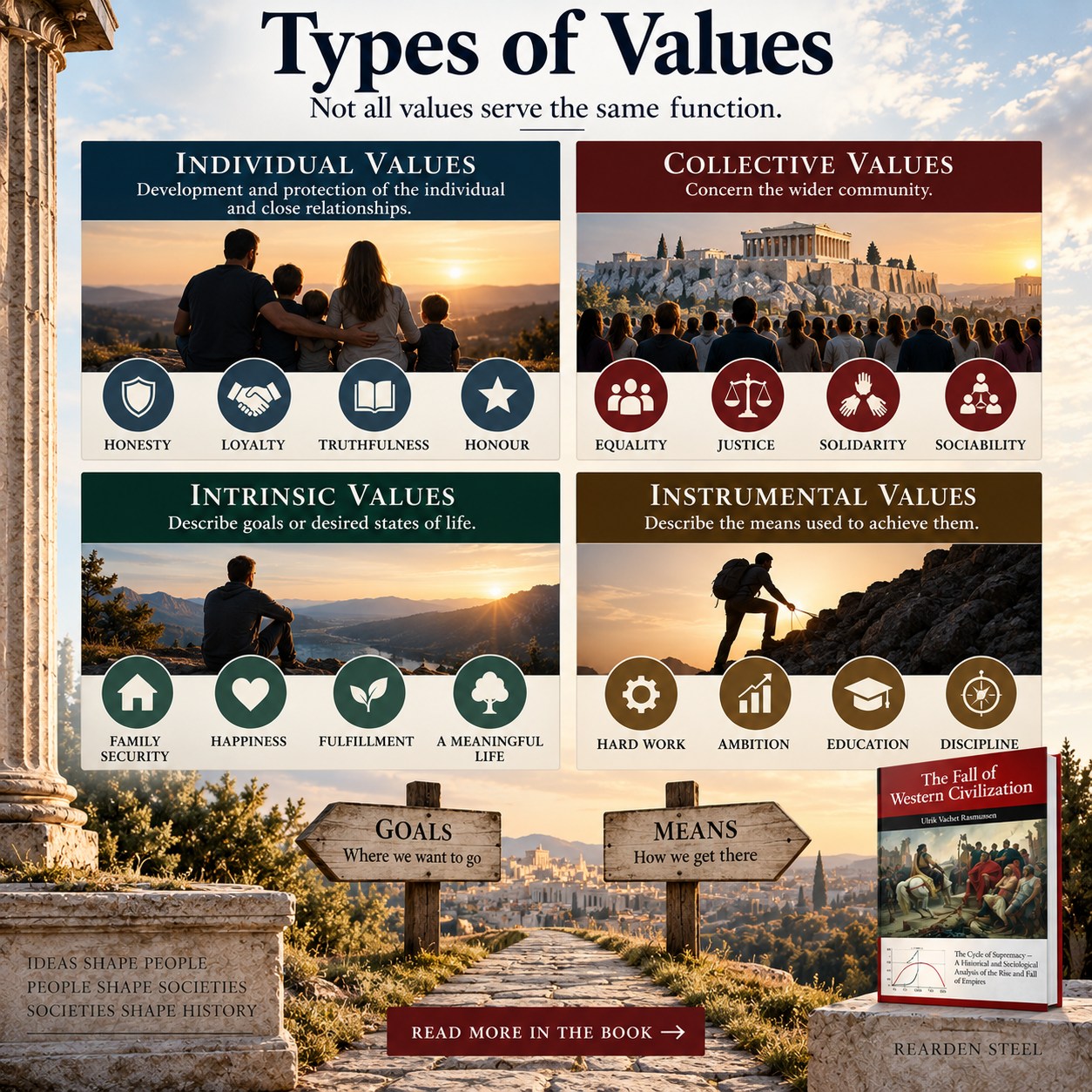
๐—ง๐˜†๐—ฝ๐—ฒ๐˜€ ๐—ผ๐—ณ ๐—ฉ๐—ฎ๐—น๐˜‚๐—ฒ๐˜€

๐—ง๐˜†๐—ฝ๐—ฒ๐˜€ ๐—ผ๐—ณ ๐—ฉ๐—ฎ๐—น๐˜‚๐—ฒ๐˜€

๐—ง๐˜†๐—ฝ๐—ฒ๐˜€ ๐—ผ๐—ณ ๐—ฉ๐—ฎ๐—น๐˜‚๐—ฒ๐˜€

Not all values serve the same function.

One distinction is between individual and collective values.

Individual values concern the development and protection of the individual and close relationships; such as honesty, loyalty, truthfulness and honour.

Collective values concern the wider community - such as equality, justice, solidarity and sociability.

Another distinction is between intrinsic and instrumental values.

Intrinsic values describe goals or desired states of life. Instrumental values describe the means used to achieve them.

For example, family security can be an intrinsic value. Hard work and ambition can then become instrumental values because they are means of achieving that security.

The distinction matters because values form a hierarchy.

Some values describe where we want to go.

Others describe how we get there.

Read more in the book:

https://reardensteel.eu/Books/Fall%20of%20the%20West/Fall_Landing.html

#TheFallOfWesternCivilization #Values #Culture #Civilization #History #Sociology
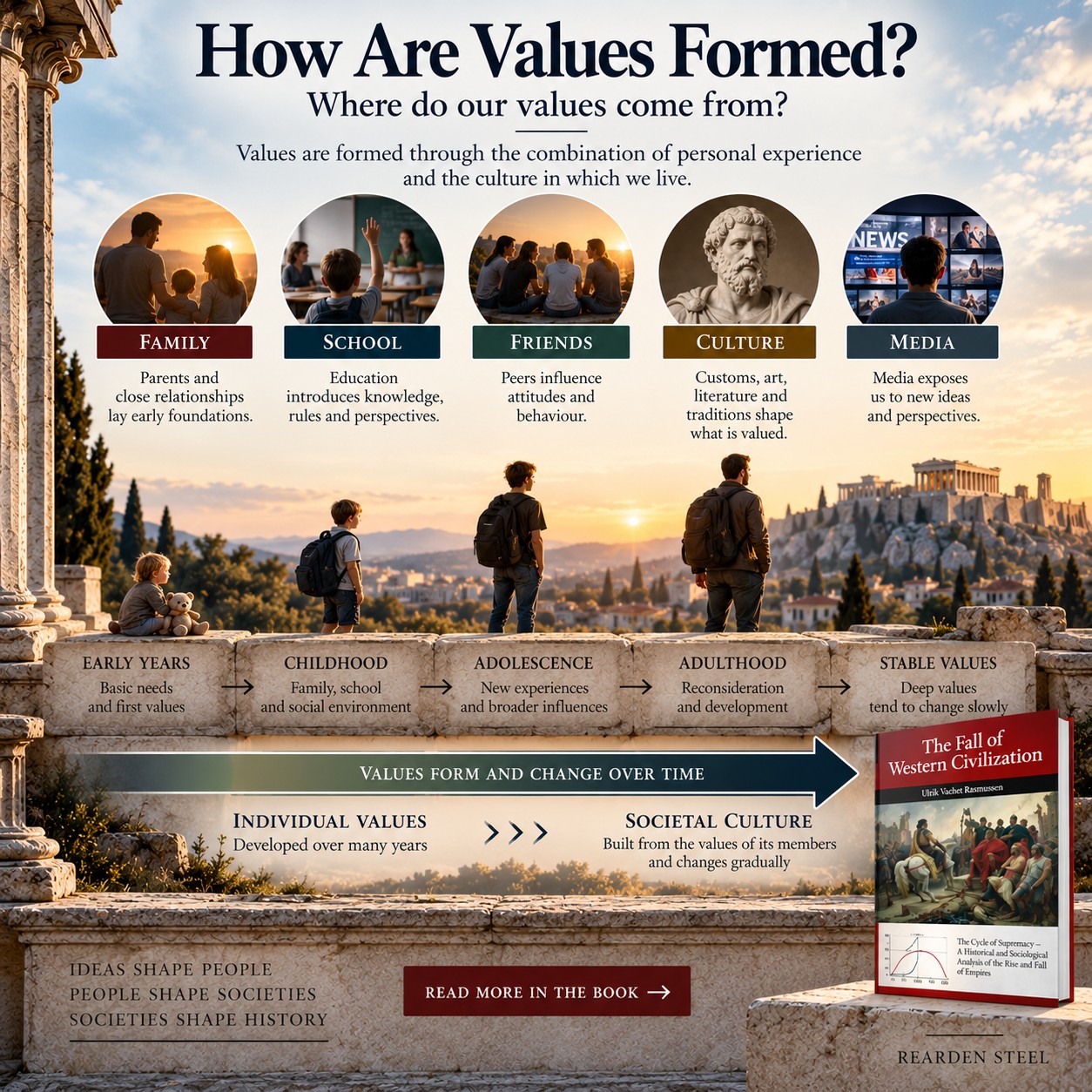
๐—›๐—ผ๐˜„ ๐—”๐—ฟ๐—ฒ ๐—ฉ๐—ฎ๐—น๐˜‚๐—ฒ๐˜€ ๐—™๐—ผ๐—ฟ๐—บ๐—ฒ๐—ฑ?

๐—›๐—ผ๐˜„ ๐—”๐—ฟ๐—ฒ ๐—ฉ๐—ฎ๐—น๐˜‚๐—ฒ๐˜€ ๐—™๐—ผ๐—ฟ๐—บ๐—ฒ๐—ฑ?

๐—›๐—ผ๐˜„ ๐—”๐—ฟ๐—ฒ ๐—ฉ๐—ฎ๐—น๐˜‚๐—ฒ๐˜€ ๐—™๐—ผ๐—ฟ๐—บ๐—ฒ๐—ฑ?

Where do our values come from?

Values are formed through the combination of personal experience and the culture in which we live.

The process begins early.

Family and parents are important, but they are not alone. Customs, school, friends, art, literature and media all contribute to the formation and reinforcement of values.

Even our earliest values are connected to basic needs and their fulfilment. As people grow, values can be reconsidered when they encounter new information or new experiences.

But the deepest values tend to change slowly.

That matters when we look at societies rather than individuals.

If the basic values of individuals are formed and reinforced over many years, then the culture built from those values will not normally change overnight.

Cultural change can therefore be a gradual process, unfolding over decades.

Read more in the book:

https://reardensteel.eu/Books/Fall%20of%20the%20West/Fall_Landing.html

#TheFallOfWesternCivilization #Values #Culture #Civilization #History #Sociology
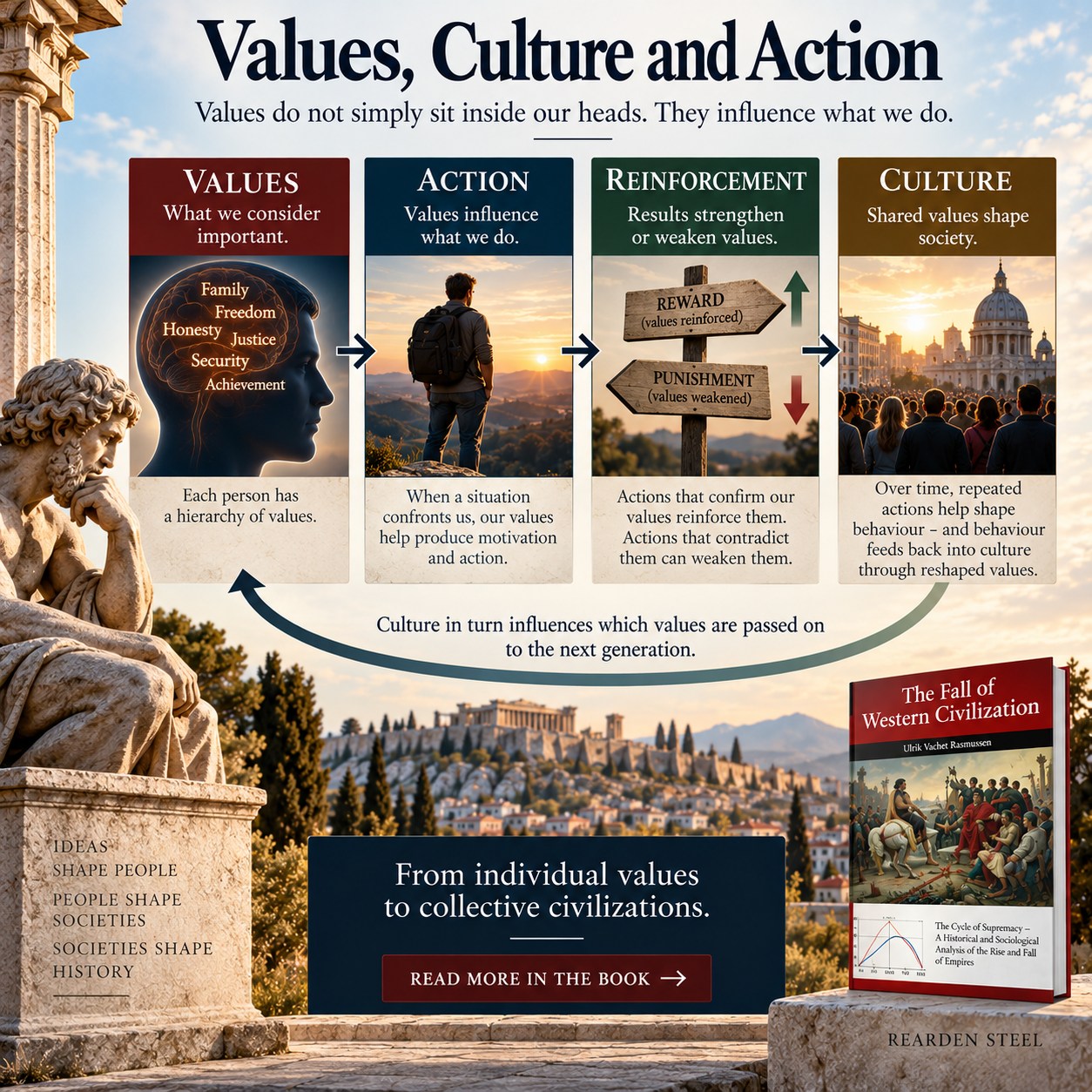
๐—ฉ๐—ฎ๐—น๐˜‚๐—ฒ๐˜€, ๐—–๐˜‚๐—น๐˜๐˜‚๐—ฟ๐—ฒ ๐—ฎ๐—ป๐—ฑ ๐—”๐—ฐ๐˜๐—ถ๐—ผ๐—ป

๐—ฉ๐—ฎ๐—น๐˜‚๐—ฒ๐˜€, ๐—–๐˜‚๐—น๐˜๐˜‚๐—ฟ๐—ฒ ๐—ฎ๐—ป๐—ฑ ๐—”๐—ฐ๐˜๐—ถ๐—ผ๐—ป

๐—ฉ๐—ฎ๐—น๐˜‚๐—ฒ๐˜€, ๐—–๐˜‚๐—น๐˜๐˜‚๐—ฟ๐—ฒ ๐—ฎ๐—ป๐—ฑ ๐—”๐—ฐ๐˜๐—ถ๐—ผ๐—ป

Values do not simply sit inside our heads.

They influence what we do.

Each person has a hierarchy of values. A structure in which different values are connected to one another. When a situation confronts us, our awareness interacts with this structure and helps produce motivation and action.

When an action consistent with our values produces a satisfying result, the value system is reinforced.

But the reverse can also happen.

If people act according to their values and are consistently punished for doing so, those values can weaken.

And if people see actions that contradict the prevailing values being rewarded, the same process can work in the opposite direction.

Over time, repeated rewards and punishments therefore help shape behaviour - and behaviour feeds back into culture through reshaped values.

VALUES โ†’ ACTION โ†’ REINFORCEMENT โ†’ CULTURE

Read more in the book:

https://reardensteel.eu/Books/Fall%20of%20the%20West/Fall_Landing.html

#TheFallOfWesternCivilization #Values #Culture #Civilization #History #Sociology
๐—ฉ๐—ฎ๐—น๐˜‚๐—ฒ๐˜€, ๐—ฃ๐—ฟ๐—ผ๐˜€๐—ฝ๐—ฒ๐—ฟ๐—ถ๐˜๐˜† ๐—ฎ๐—ป๐—ฑ ๐—ก๐—ฒ๐—ฒ๐—ฑ๐˜€

๐—ฉ๐—ฎ๐—น๐˜‚๐—ฒ๐˜€, ๐—ฃ๐—ฟ๐—ผ๐˜€๐—ฝ๐—ฒ๐—ฟ๐—ถ๐˜๐˜† ๐—ฎ๐—ป๐—ฑ ๐—ก๐—ฒ๐—ฒ๐—ฑ๐˜€

๐—ฉ๐—ฎ๐—น๐˜‚๐—ฒ๐˜€, ๐—ฃ๐—ฟ๐—ผ๐˜€๐—ฝ๐—ฒ๐—ฟ๐—ถ๐˜๐˜† ๐—ฎ๐—ป๐—ฑ ๐—ก๐—ฒ๐—ฒ๐—ฑ๐˜€

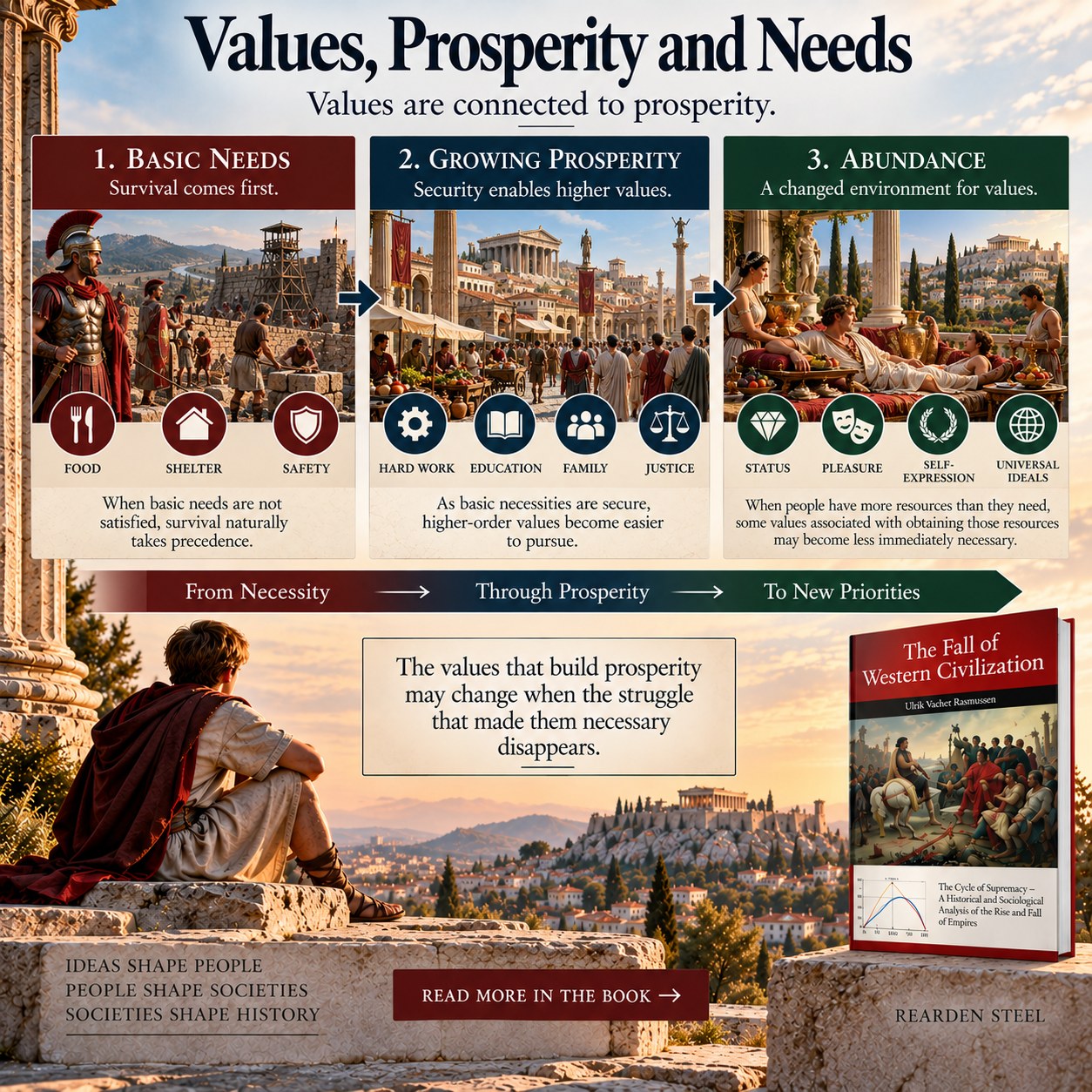
Values are also connected to prosperity.

When basic needs are not satisfied, survival naturally takes precedence. Higher-order values become easier to pursue when the basic necessities of life are secure.

But prosperity can also change the environment in which values operate.

When people have more resources than they need, some of the values associated with obtaining those resources may become less immediately necessary.

If wealth has been created through hard work, the habits that created it may remain valued.

But when prosperity is inherited rather than created, there is no guarantee that the same values will be maintained. This is easily understood and documented, however, there is a more pervasive underlying principle.

This raises a larger question.

What happens to a culture when the struggle, that originally made certain values necessary, disappears?

The relationship between values, needs and prosperity becomes important when examining the rise, but certainly also the decline, of civilizations.

Read more in the book:

https://reardensteel.eu/Books/Fall%20of%20the%20West/Fall_Landing.html

#TheFallOfWesternCivilization #Values #Culture #Civilization #History #Sociology
The book is available on Amazon

๐—ช๐—ต๐—ฎ๐˜ ๐—œ๐˜€ ๐—–๐˜‚๐—น๐˜๐˜‚๐—ฟ๐—ฎ๐—น ๐—ง๐—ฟ๐—ฎ๐—ป๐˜€๐—บ๐—ถ๐˜€๐˜€๐—ถ๐—ผ๐—ป?

๐—ช๐—ต๐—ฎ๐˜ ๐—œ๐˜€ ๐—–๐˜‚๐—น๐˜๐˜‚๐—ฟ๐—ฎ๐—น ๐—ง๐—ฟ๐—ฎ๐—ป๐˜€๐—บ๐—ถ๐˜€๐˜€๐—ถ๐—ผ๐—ป?

๐—ช๐—ต๐—ฎ๐˜ ๐—œ๐˜€ ๐—–๐˜‚๐—น๐˜๐˜‚๐—ฟ๐—ฎ๐—น ๐—ง๐—ฟ๐—ฎ๐—ป๐˜€๐—บ๐—ถ๐˜€๐˜€๐—ถ๐—ผ๐—ป?

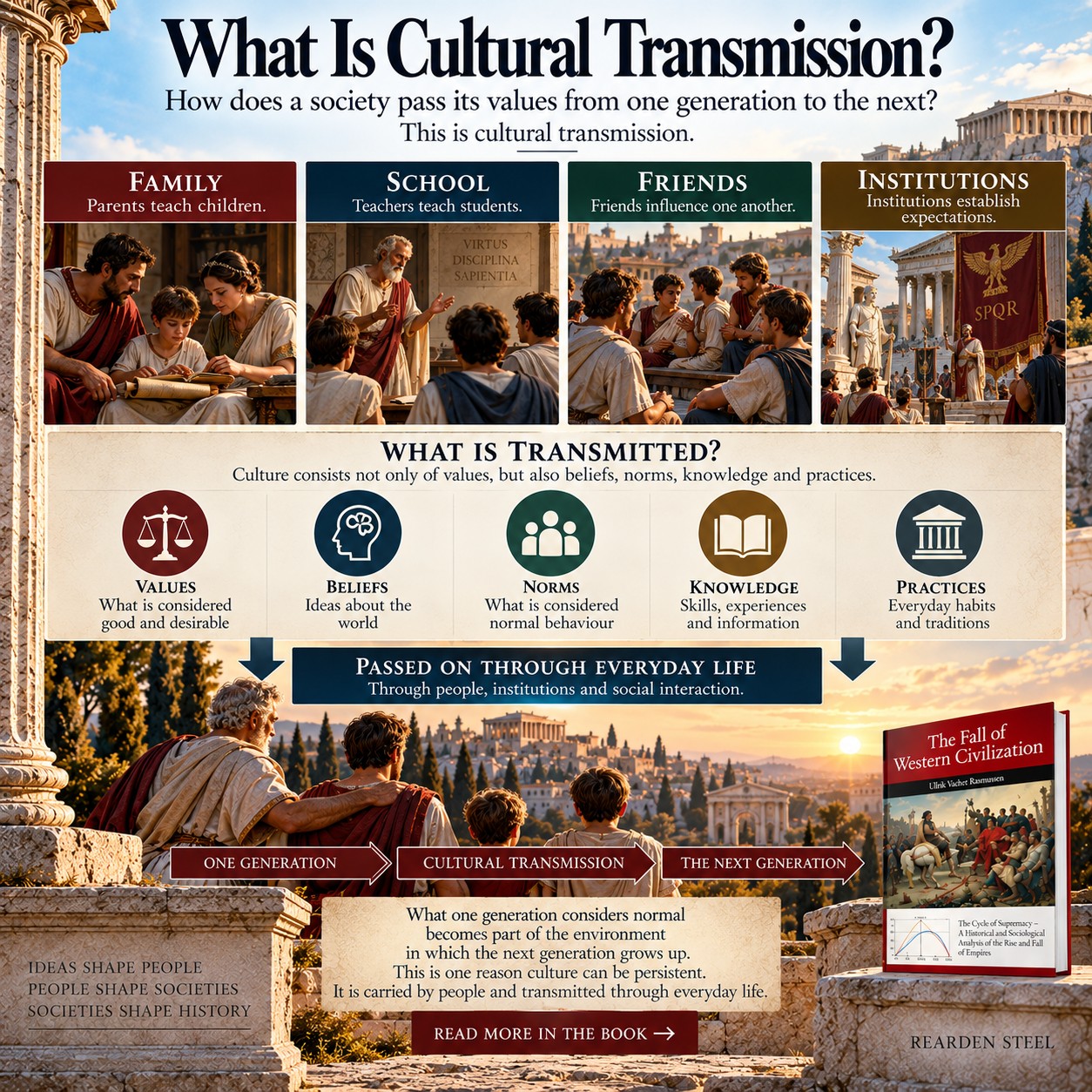
How does a society pass its values from one generation to the next?

This is the essence of cultural transmission.

Culture consists not only of values, but also beliefs, norms, knowledge and practices. These are transmitted through a variety of people and institutions.

Parents teach children. Teachers teach students. Friends influence one another. Institutions establish expectations.

But transmission is not simply the copying of one person's beliefs.

Those transmitting culture also respond to what they perceive as the accepted or successful behaviour in the wider society.

Culture is therefore continually reproduced through social interaction.

What one generation considers normal becomes part of the environment in which the next generation grows up.

This is one reason culture can be persistent.

It is carried by people and transmitted through everyday life.

Read more in the book:

https://reardensteel.eu/Books/Fall%20of%20the%20West/Fall_Landing.html

#TheFallOfWesternCivilization #Values #Culture #Civilization #History #Sociology
๐— ๐—ถ๐—บ๐—ฒ๐˜€๐—ถ๐˜€: ๐—ช๐—ต๐˜† ๐——๐—ผ ๐—ช๐—ฒ ๐—œ๐—บ๐—ถ๐˜๐—ฎ๐˜๐—ฒ ๐—ข๐˜๐—ต๐—ฒ๐—ฟ๐˜€?

๐— ๐—ถ๐—บ๐—ฒ๐˜€๐—ถ๐˜€: ๐—ช๐—ต๐˜† ๐——๐—ผ ๐—ช๐—ฒ ๐—œ๐—บ๐—ถ๐˜๐—ฎ๐˜๐—ฒ ๐—ข๐˜๐—ต๐—ฒ๐—ฟ๐˜€?

๐— ๐—ถ๐—บ๐—ฒ๐˜€๐—ถ๐˜€: ๐—ช๐—ต๐˜† ๐——๐—ผ ๐—ช๐—ฒ ๐—œ๐—บ๐—ถ๐˜๐—ฎ๐˜๐—ฒ ๐—ข๐˜๐—ต๐—ฒ๐—ฟ๐˜€?

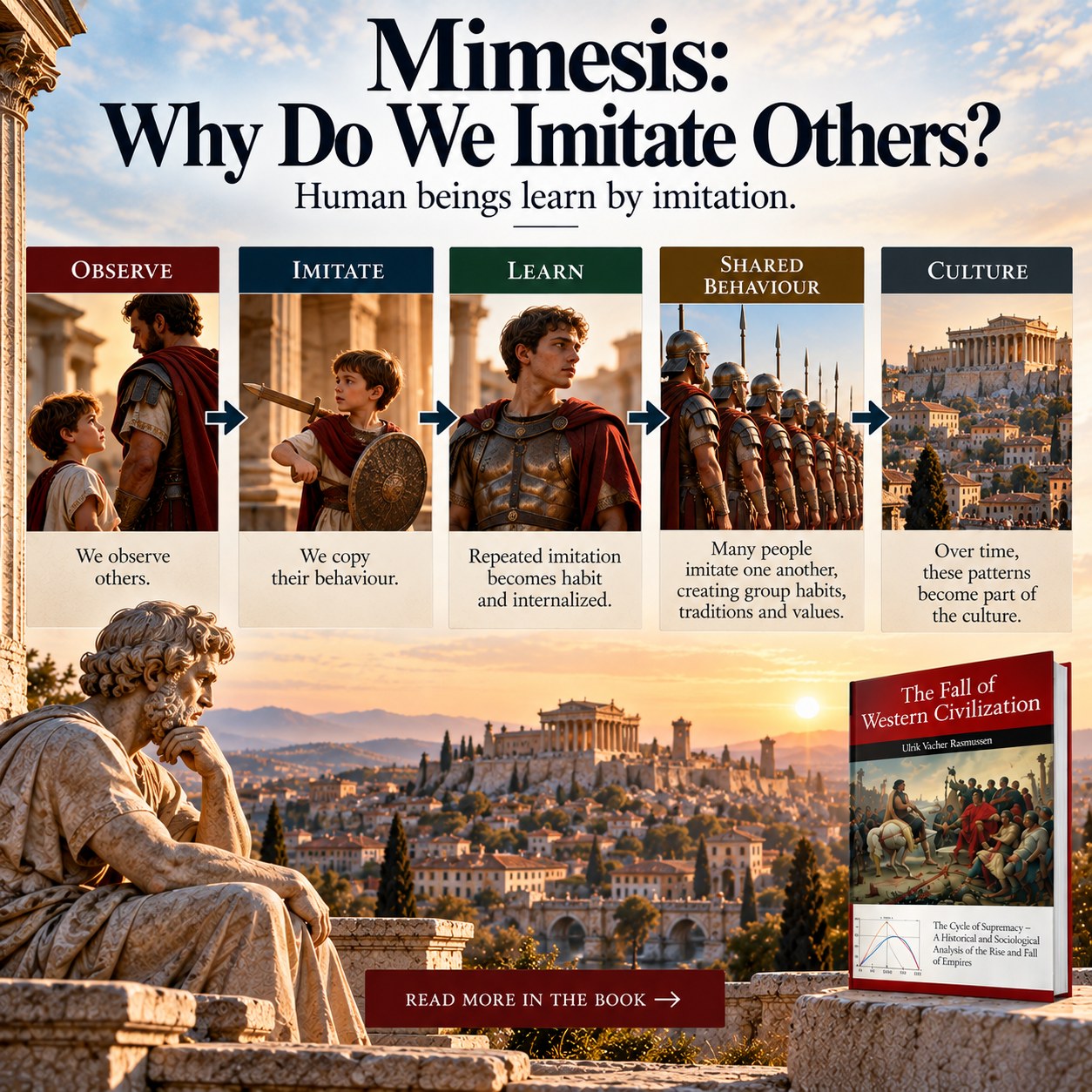
Human beings learn by imitation.

The idea of mimesis is very old. Aristotle already observed that imitation is deeply embedded in human learning.

Children imitate parents. People imitate successful peers. Groups develop common patterns of behaviour.

Much of this happens without deliberate reflection.

We observe someone achieving something we desire and imitate the behaviour that appears to have produced the result.

Sometimes that works.

Sometimes the assumed connection between behaviour and outcome is wrong.

But repeated imitation can become internalized. What began as conscious copying can become instinctive behaviour.

When many people imitate one another, the result is not simply individual learning.

It can create shared behaviour, group habits, tradition, and values, which then eventually become cultural patterns.

Mimesis therefore provides one possible mechanism through which individual behaviour becomes collective behaviour.

Read more in the book:

https://reardensteel.eu/Books/Fall%20of%20the%20West/Fall_Landing.html

#TheFallOfWesternCivilization #Values #Culture #Civilization #History #Sociology
๐—ฅ๐—ฒ๐—น๐—ถ๐—ด๐—ถ๐—ผ๐—ป ๐—ฎ๐—ป๐—ฑ ๐—–๐˜‚๐—น๐˜๐˜‚๐—ฟ๐—ฒ

๐—ฅ๐—ฒ๐—น๐—ถ๐—ด๐—ถ๐—ผ๐—ป ๐—ฎ๐—ป๐—ฑ ๐—–๐˜‚๐—น๐˜๐˜‚๐—ฟ๐—ฒ

๐—ฅ๐—ฒ๐—น๐—ถ๐—ด๐—ถ๐—ผ๐—ป ๐—ฎ๐—ป๐—ฑ ๐—–๐˜‚๐—น๐˜๐˜‚๐—ฟ๐—ฒ

Religion is one of the clearest ways to observe culture in action.

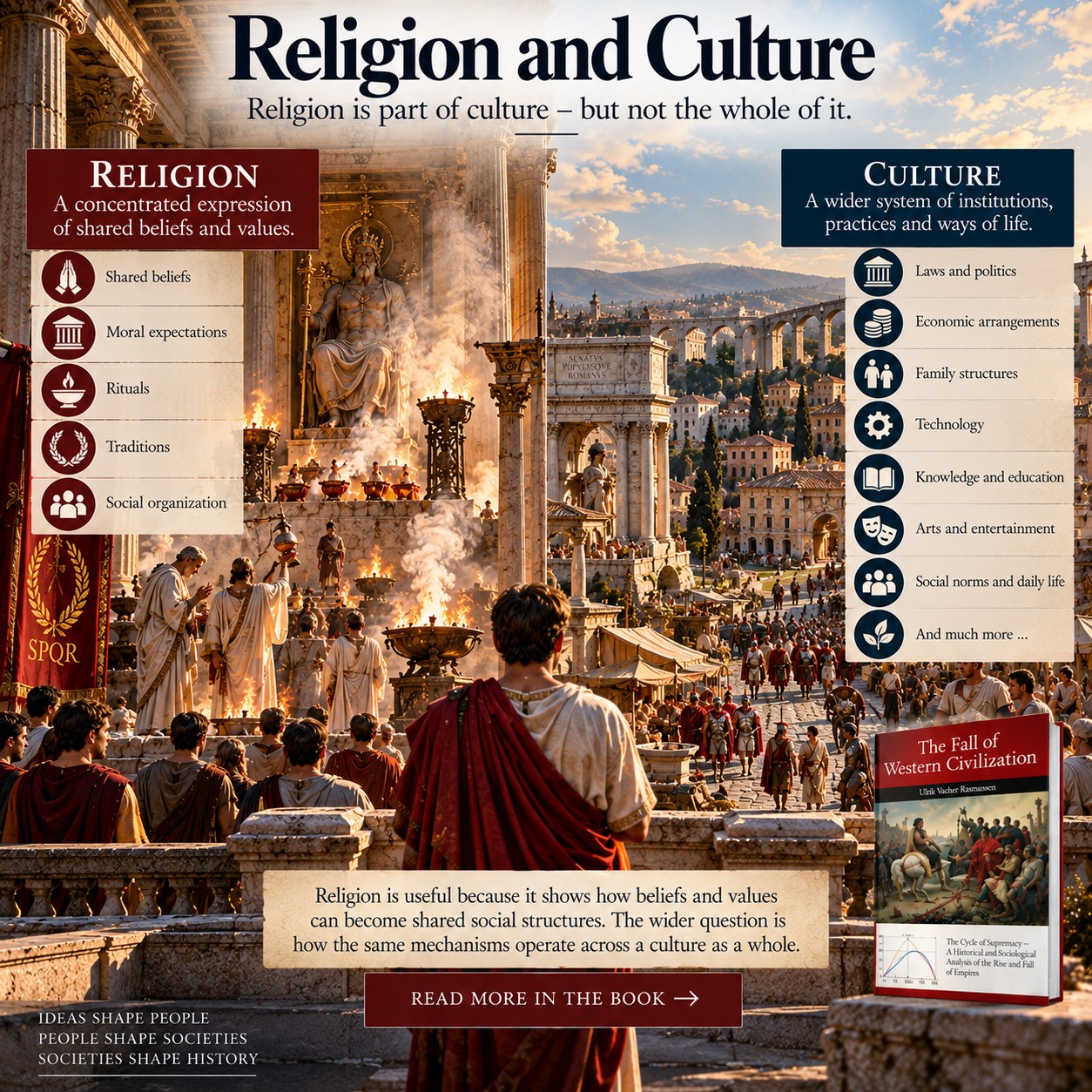
Religion is part of culture - and often a very large part.

It can provide shared beliefs, moral expectations, rituals, traditions and forms of social organization.

This makes religion a useful starting point when comparing cultures.

But religion is not the whole of culture.

A society also consists of its laws, political institutions, economic arrangements, family structures, technology and many other elements.

Reducing culture to religion therefore makes the analysis simpler, but also less complete.

Religion is useful because it provides a relatively concentrated example of how beliefs and values can become shared social structures.

The wider question is how those same mechanisms operate across a culture as a whole.

Read more in the book:

https://reardensteel.eu/Books/Fall%20of%20the%20West/Fall_Landing.html

#TheFallOfWesternCivilization #Values #Culture #Civilization #History #Sociology
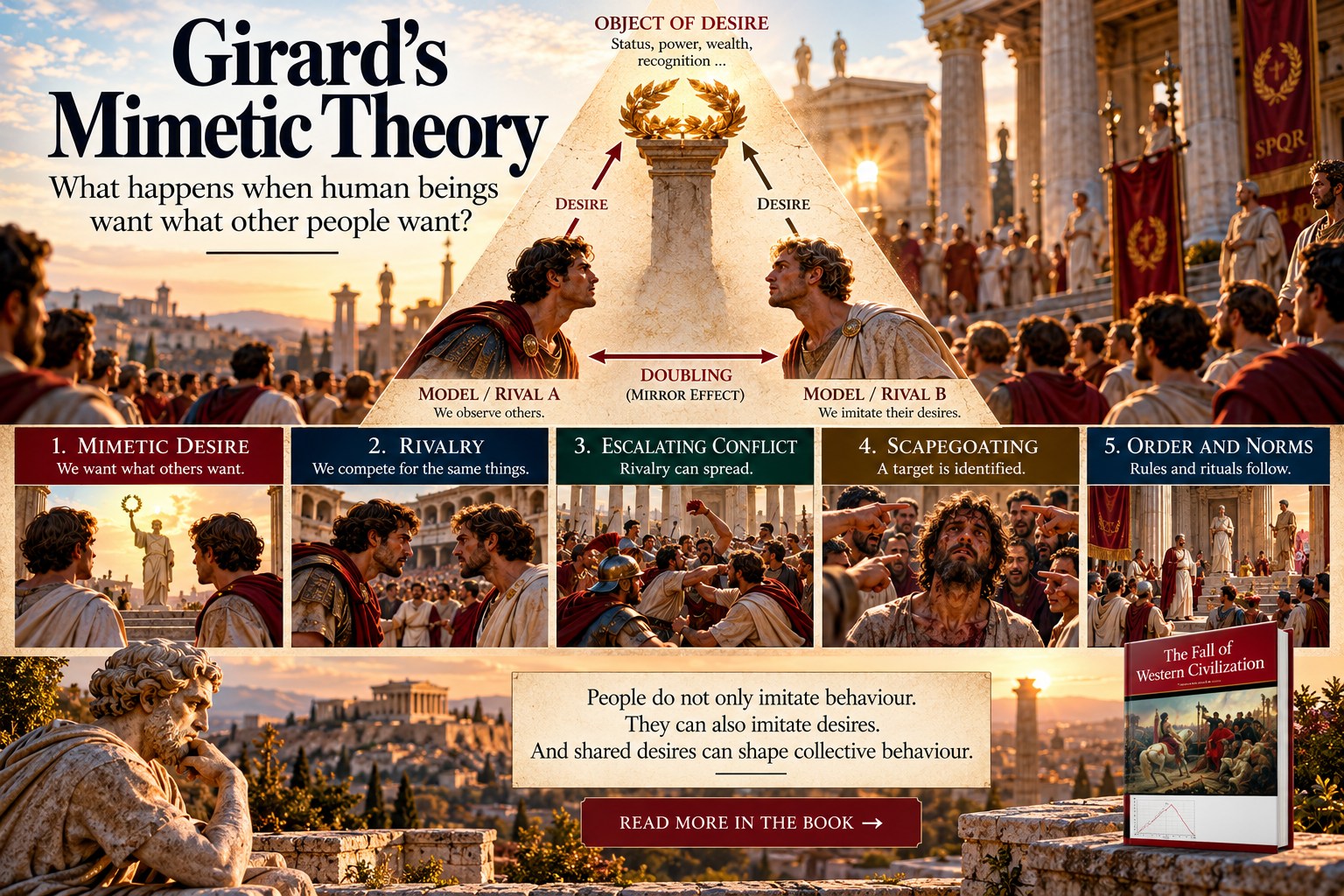
๐—š๐—ถ๐—ฟ๐—ฎ๐—ฟ๐—ฑโ€™๐˜€ ๐— ๐—ถ๐—บ๐—ฒ๐˜๐—ถ๐—ฐ ๐—ง๐—ต๐—ฒ๐—ผ๐—ฟ๐˜†

๐—š๐—ถ๐—ฟ๐—ฎ๐—ฟ๐—ฑโ€™๐˜€ ๐— ๐—ถ๐—บ๐—ฒ๐˜๐—ถ๐—ฐ ๐—ง๐—ต๐—ฒ๐—ผ๐—ฟ๐˜†

๐—š๐—ถ๐—ฟ๐—ฎ๐—ฟ๐—ฑโ€™๐˜€ ๐— ๐—ถ๐—บ๐—ฒ๐˜๐—ถ๐—ฐ ๐—ง๐—ต๐—ฒ๐—ผ๐—ฟ๐˜†

What happens when human beings want what other people want?

Renรฉ Girard's mimetic theory begins with a simple observation: human desire is not always individual. We often learn what to desire by observing others.

This can produce a chain of effects.

First comes mimetic desire - wanting something because someone else wants or has it.

Then comes rivalry, as people compete for the same object, status or recognition.

When rivalry spreads through a community, conflict can intensify.

Girard's theory describes scapegoating as one possible way communities respond to this conflict: a person or group becomes identified as the source of the problem and is collectively targeted.

Afterwards, rules, prohibitions and rituals can develop around the experience, helping to contain future conflict.

Whether one accepts the complete theory or not, the basic mechanism is important for the study of culture:

People do not only imitate behaviour.

They can also imitate desires.

And shared desires can shape collective behaviour.

Read more in the book:

https://reardensteel.eu/Books/Fall%20of%20the%20West/Fall_Landing.html

#TheFallOfWesternCivilization #Values #Culture #Civilization #History #Sociology
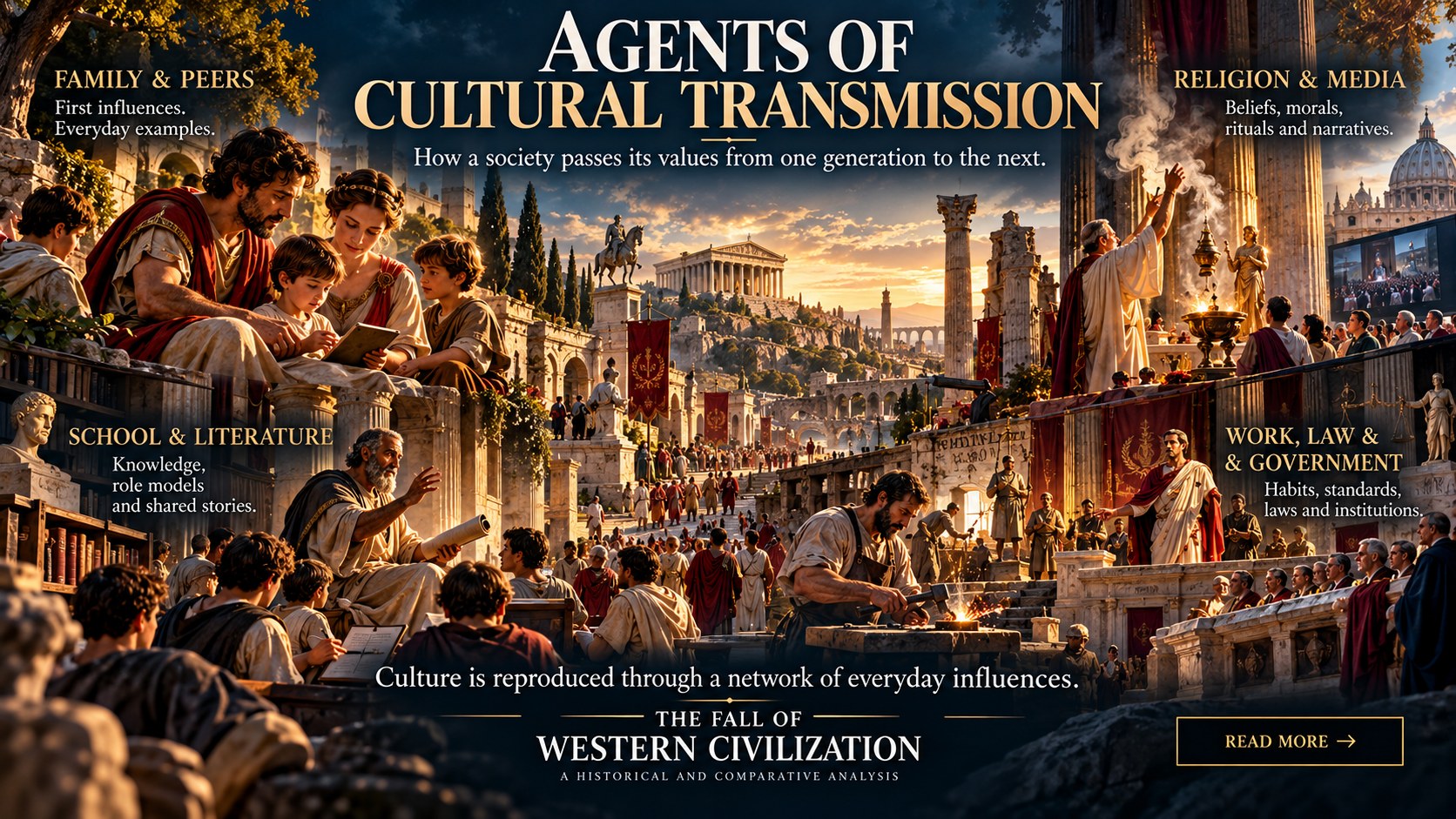
๐—”๐—ด๐—ฒ๐—ป๐˜๐˜€ ๐—ผ๐—ณ ๐—–๐˜‚๐—น๐˜๐˜‚๐—ฟ๐—ฎ๐—น ๐—ง๐—ฟ๐—ฎ๐—ป๐˜€๐—บ๐—ถ๐˜€๐˜€๐—ถ๐—ผ๐—ป

๐—”๐—ด๐—ฒ๐—ป๐˜๐˜€ ๐—ผ๐—ณ ๐—–๐˜‚๐—น๐˜๐˜‚๐—ฟ๐—ฎ๐—น ๐—ง๐—ฟ๐—ฎ๐—ป๐˜€๐—บ๐—ถ๐˜€๐˜€๐—ถ๐—ผ๐—ป

๐—”๐—ด๐—ฒ๐—ป๐˜๐˜€ ๐—ผ๐—ณ ๐—–๐˜‚๐—น๐˜๐˜‚๐—ฟ๐—ฎ๐—น ๐—ง๐—ฟ๐—ฎ๐—ป๐˜€๐—บ๐—ถ๐˜€๐˜€๐—ถ๐—ผ๐—ป

Culture is transmitted through many different channels.

Parents are perhaps the first and most direct.

Then come family, friends, day care, school, literature, media, religion, work, law and government.

Each channel communicates more than explicit instructions.

Children observe how adults behave. Schools communicate knowledge as well as norms. Literature presents characters and values. Media provides narratives. Religion transmits moral expectations. Workplaces reinforce particular habits and standards. Law defines prohibited behaviour and, indirectly, what society considers acceptable.

Government and public institutions also communicate values through the subjects they emphasize and the institutions they create.

All these channels overlap.

The same value can therefore be reinforced repeatedly by completely different parts of society.

Culture is consequently not transmitted by one institution.

It is reproduced through a network of everyday influences.

The question is not simply what people are taught.

It is what they repeatedly see, hear, experience and observe being rewarded.

Read more in the book:

https://reardensteel.eu/Books/Fall%20of%20the%20West/Fall_Landing.html

#TheFallOfWesternCivilization #Values #Culture #Civilization #History #Sociology
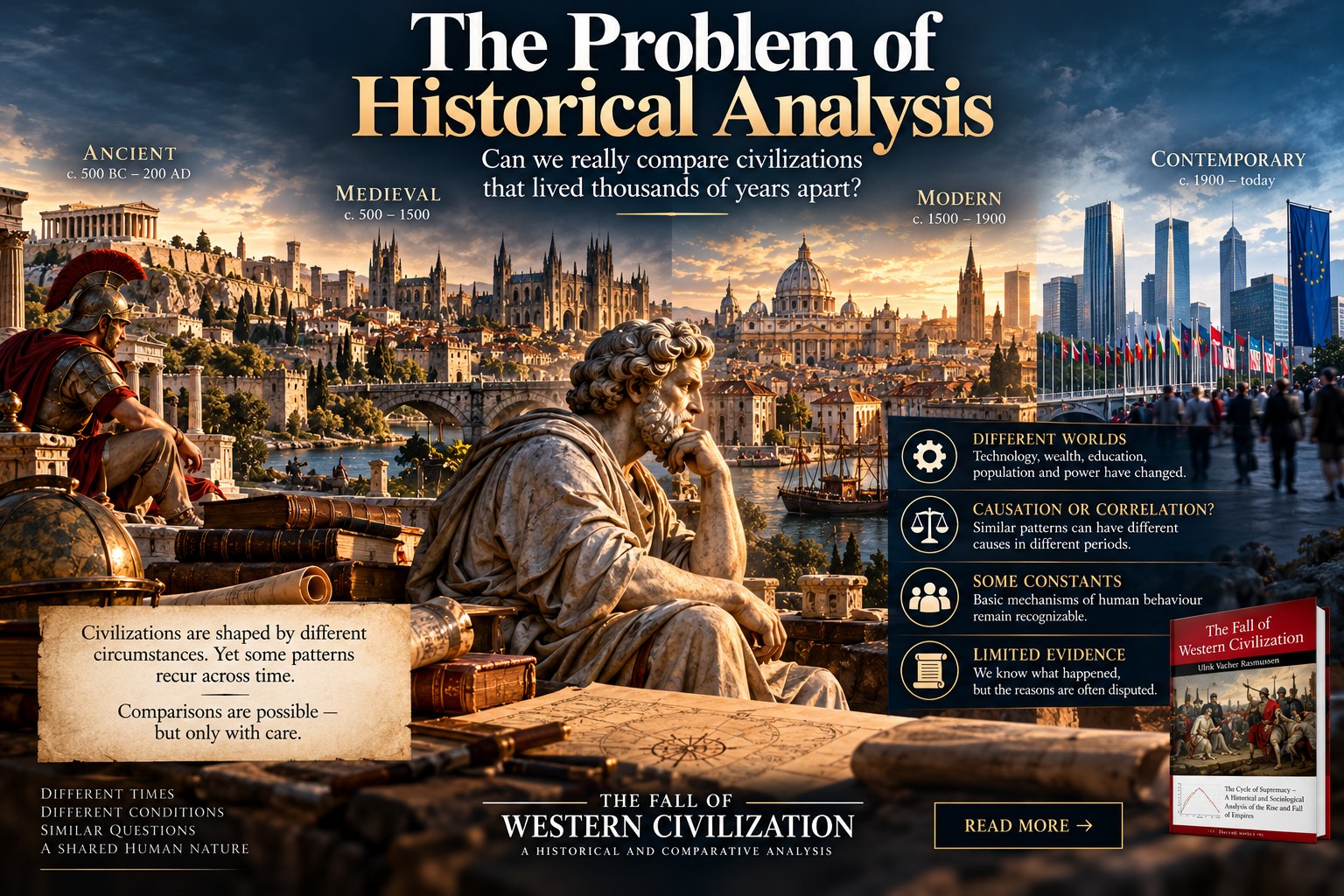
๐—ง๐—ต๐—ฒ ๐—ฃ๐—ฟ๐—ผ๐—ฏ๐—น๐—ฒ๐—บ ๐—ผ๐—ณ ๐—›๐—ถ๐˜€๐˜๐—ผ๐—ฟ๐—ถ๐—ฐ๐—ฎ๐—น ๐—”๐—ป๐—ฎ๐—น๐˜†๐˜€๐—ถ๐˜€

๐—ง๐—ต๐—ฒ ๐—ฃ๐—ฟ๐—ผ๐—ฏ๐—น๐—ฒ๐—บ ๐—ผ๐—ณ ๐—›๐—ถ๐˜€๐˜๐—ผ๐—ฟ๐—ถ๐—ฐ๐—ฎ๐—น ๐—”๐—ป๐—ฎ๐—น๐˜†๐˜€๐—ถ๐˜€

๐—ง๐—ต๐—ฒ ๐—ฃ๐—ฟ๐—ผ๐—ฏ๐—น๐—ฒ๐—บ ๐—ผ๐—ณ ๐—›๐—ถ๐˜€๐˜๐—ผ๐—ฟ๐—ถ๐—ฐ๐—ฎ๐—น ๐—”๐—ป๐—ฎ๐—น๐˜†๐˜€๐—ถ๐˜€

Can we really compare civilizations that lived thousands of years apart?

There is an obvious problem.

The world of year 0 was very different from the world of year 1000; and both were radically different from the world of 2000.

Technology, wealth, education, population and the distribution of power have all changed.

So when similar patterns appear in different civilizations, we have to ask:

Are we looking at causation, or is it merely correlation?

Yet some elements of human culture have changed much less.

The basic mechanisms through which people form relationships, transmit values, organize groups and respond to challenges remain recognizable.

That creates the possibility of comparing civilizations across time - but only with care.

Historical evidence also has its own problems. We know what happened, but the reasons why it happened are often disputed.

The aim is to identify whether there are underlying mechanisms that recur despite the enormous differences between historical periods.

Read more in the book:

https://reardensteel.eu/Books/Fall%20of%20the%20West/Fall_Landing.html

#TheFallOfWesternCivilization #Values #Culture #Civilization #History #Sociology